Thinking about buying a single-family home in Ashland? You are not alone, and you are probably also realizing this is not a market where you can browse casually for months and expect the right home to wait. Ashland is a small, competitive, mostly resale market with older housing stock, varied lot sizes, and property details that can matter more than they first appear. This guide will help you understand what to expect, what to watch for, and how to move with confidence when the right home comes up. Let’s dive in.
Ashland is a tight single-family market
If you are shopping for a single-family home in Ashland, the first thing to know is that supply is limited. As of May 31, 2026, there were 95 active residential listings in Ashland, down 10.4% from the same time in 2025. That kind of inventory level can create short decision windows for buyers.
Ashland is also a small city, only 6.6 square miles, with a housing stock that leans heavily toward established homes rather than large waves of new construction. In 2023, 59.3% of housing units were 1-unit detached homes. That means your search will often focus on resale properties, each with its own age, layout, lot features, and maintenance history.
Market pace reinforces that reality. From March 1 through May 31, 2026, Ashland posted 86 existing-home sales with a median price of $517,925 and 22 cumulative days on market. While that existing-home category is broader than single-family alone, it still gives you a useful snapshot of how quickly well-positioned homes can move.
Price expectations in Ashland
One of the biggest mistakes buyers make is pricing homes based on Jackson County as a whole instead of Ashland specifically. For the same March through May 2026 period, Jackson County’s existing-home median was $425,000, well below Ashland’s $517,925. That gap matters when you are setting your budget and deciding what tradeoffs you are willing to make.
In practical terms, you may need to choose between price, lot size, updates, and location within Ashland. A home with more recent improvements or a setting affected by slope or hillside conditions may command a different price than a more basic property. The key is to compare homes within Ashland’s market reality, not against broader county averages.
What “single-family home” can mean here
In Ashland, single-family homes are not all built on the same type of lot. The city’s zoning allows different minimum lot sizes depending on the district and site conditions. In some areas, the minimum may be 5,000 square feet, while other districts and conditions support 7,500- or 10,000-square-foot patterns.
There are also cases where smaller lots exist. The R-1-3.5 district allows some 3,500-square-foot lots when an existing single-family residence already meets code requirements. So if you picture every Ashland single-family home on a large lot, the actual inventory may surprise you.
A helpful historic benchmark from an Ashland urban growth boundary analysis shows how mixed lot sizes can be. The largest share of single-family tax lots fell in the 7,500 to 9,999 square foot range, followed by 5,000 to 7,499 square feet, and 41% were 10,000 square feet or larger. That does not tell you today’s median lot size, but it does show the range you are likely to encounter.
Larger lots may come with constraints
A bigger lot can sound like a clear win, but in Ashland it is worth looking deeper. The city does not impose a maximum lot size or minimum density requirement in single-family zones. In many cases, larger lots reflect topography or site limitations rather than extra usable yard space.
Steep slopes, floodplains, wetlands, or riparian areas can reduce the buildable portion of a property. That means a lot that looks generous on paper may function very differently in real life. When you tour homes, it helps to ask not just how large the lot is, but how much of it is practical for outdoor use, access, maintenance, or future plans.
Older homes are a big part of the market
Ashland’s housing stock is notably older, and that shapes the buying process. According to the city’s 2025 Consolidated Plan, 68% of homes were built before 1980. In a market like this, older resale homes are the norm, not the exception.
Older homes often bring character and established settings, but they can also come with maintenance questions. The city estimates that more than 3,300 homes may pose potential lead-based-paint hazards because lead paint was banned in residential use in 1978. If you are considering a home built before 1980, age alone should push you toward careful due diligence.
Inspections should go beyond the basics
A standard home inspection matters, but in Ashland you will usually want to pay close attention to issues tied to age and site conditions. If the home is older and has not been recently renovated, look closely at paint condition, signs of deferred maintenance, and how prior remodeling work appears to have been handled. Those details can affect both near-term repairs and long-term upkeep.
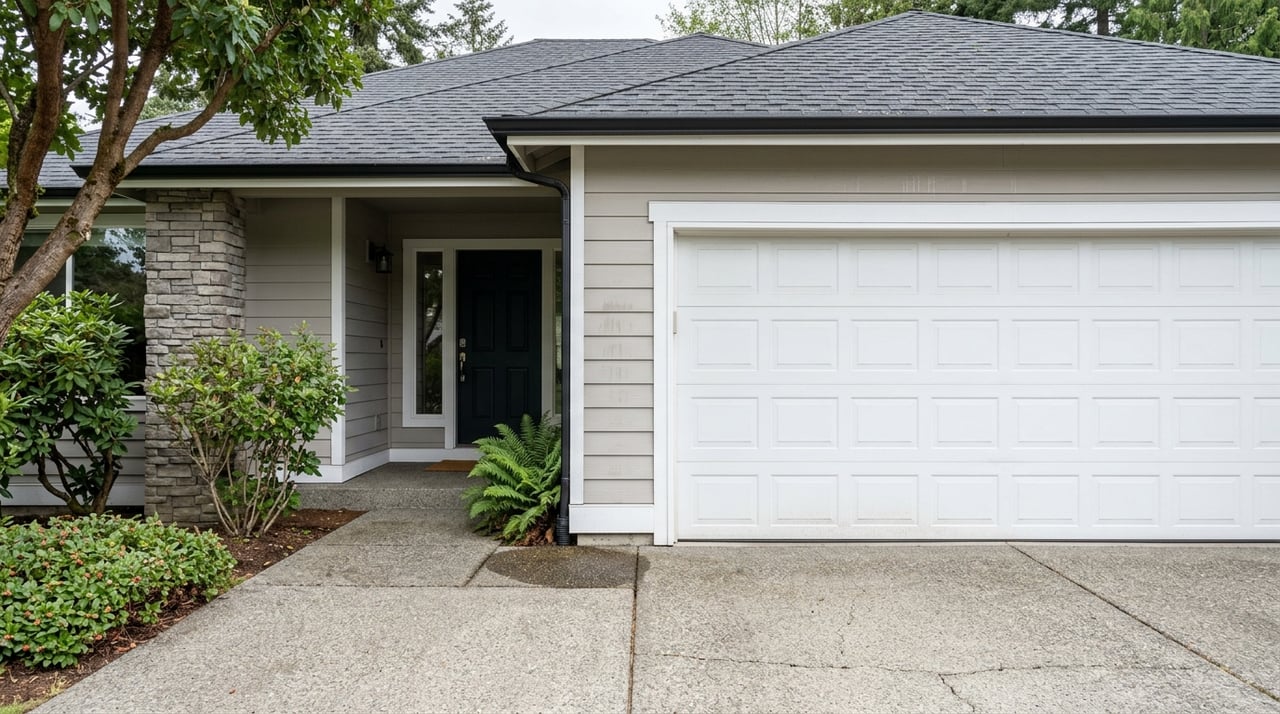
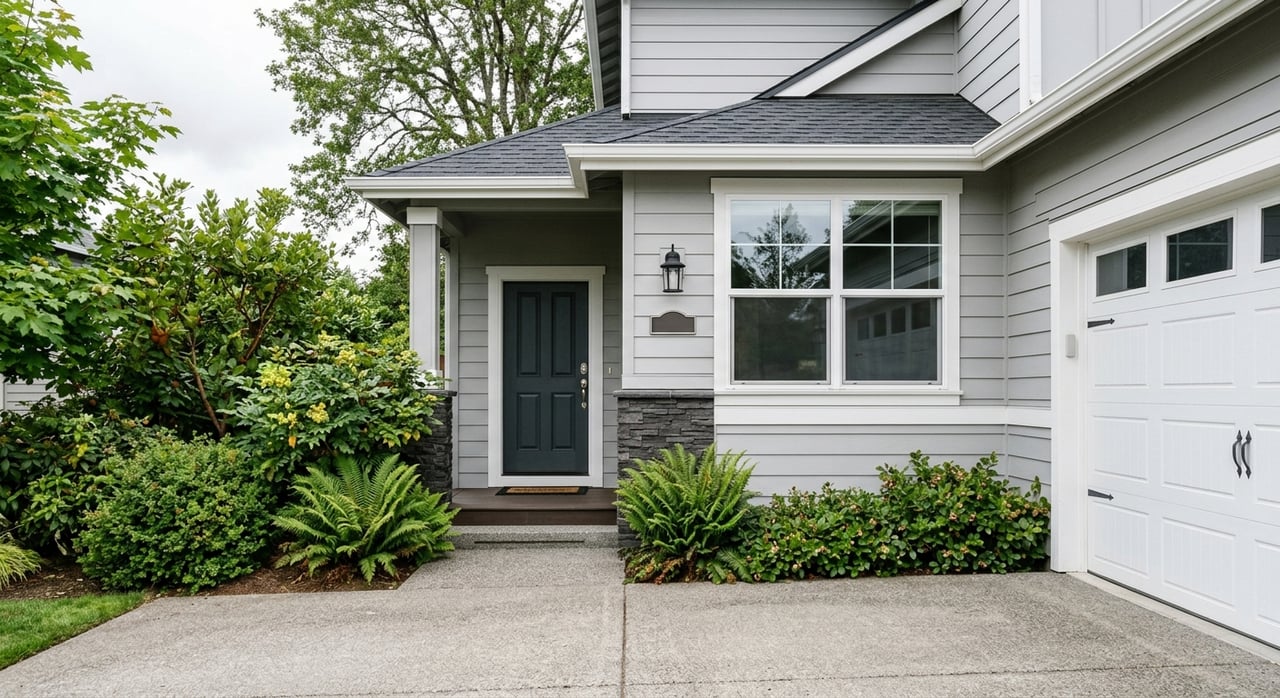
Site features deserve just as much attention as the house itself. In Ashland, slope, drainage, driveway design, access, and landscaping can affect daily use and future property decisions. A home that looks great in photos may raise practical concerns once you evaluate how the site actually functions.
Wildfire due diligence matters in Ashland
Wildfire risk is one of the most location-specific issues for Ashland buyers. The city’s wildfire safety ordinance applies to all parcels in the city. It restricts new plantings of known flammable trees and shrubs and requires noncombustible materials within five feet where a fence attaches to a structure.
That matters because wildfire readiness is not just a concern for homes on the edge of town. It is part of property ownership across Ashland. If you are comparing homes, it is smart to look at the condition of landscaping, the area around the structure, fencing details, and how the site may support ongoing defensible-space maintenance.
The city also provides wildfire-risk resources, including a list of home inspectors who completed NFPA training on assessing structure ignition potential from wildfire, plus a free home wildfire risk assessment option. For buyers, those resources can add valuable context when evaluating a property.
Driveways, slopes, and access count
Ashland’s land-use code makes it clear that topography is not a minor detail. Wildfire-land development plans must analyze vegetation, topography, and road or driveway slope for emergency access. The code also requires a 30-foot primary fuel break around new construction in wildfire lands.
Even if you are buying an existing home, these standards show why site access deserves your attention. A steep driveway, limited turnaround area, or challenging slope may affect convenience, maintenance, and how the property functions over time. In Ashland, the land itself can be just as important as square footage inside the home.
How to prepare before you start touring
Because inventory is tight and market time is short, preparation gives you an edge. You do not want to start sorting out your budget or priorities after the right home appears. In Ashland, the best opportunities may require quick, informed decisions.
Here are a few smart steps before you tour seriously:
- Set a budget based on Ashland pricing, not countywide assumptions.
- Decide which features are must-haves versus nice-to-haves.
- Be ready for a market centered on resale homes, not large-scale new construction.
- Expect lot sizes and site usability to vary widely from one property to the next.
- Build extra time into your due diligence for older-home and wildfire-related questions.
What buyers should prioritize
When you compare one Ashland home to another, it helps to evaluate more than just price and bedroom count. A practical side-by-side review can keep you focused on what will matter after closing. In many cases, the best value is the home that fits your day-to-day needs and has fewer surprises tied to condition or site constraints.
Focus on these areas as you narrow your options:
- Lot usability: How much of the lot feels functional versus steep or constrained?
- Home age: Was the property built before 1980, and if so, what condition is it in?
- Maintenance history: Do you see signs of deferred upkeep or uneven remodeling?
- Wildfire considerations: How close is vegetation to structures, and how manageable is the landscape?
- Driveway and access: Will the site be easy to use in all seasons and day-to-day routines?
- Market timing: If the home checks your boxes, are you ready to respond quickly?
Why local guidance helps in Ashland
Ashland is not a one-size-fits-all market. Two homes with similar square footage can feel very different once you factor in age, lot layout, slope, and maintenance needs. That is why local insight matters so much when you are buying here.
You want someone who can help you look past the listing photos and focus on how a property actually lives. That means understanding Ashland’s resale-driven market, setting realistic price expectations, and knowing which property details deserve a closer look before you commit. With the right guidance, you can move quickly without feeling rushed.
If you are getting ready to buy in Ashland, Matt Misener can help you navigate the market with practical local insight, responsive communication, and hands-on buyer representation.
FAQs
What is the Ashland OR housing market like for single-family buyers?
- Ashland is a small, supply-constrained, mostly resale-driven market with limited inventory, higher median pricing than Jackson County overall, and homes that can move quickly.
What is the median home price in Ashland OR?
- For March 1 through May 31, 2026, Ashland’s existing-home median price was $517,925, compared with $425,000 for Jackson County during the same period.
Are most Ashland OR homes older?
- Yes. The city reports that 68% of Ashland homes were built before 1980, so buyers should expect many resale homes to have older construction and age-related maintenance considerations.
What lot sizes are common for single-family homes in Ashland OR?
- Lot sizes vary. Ashland zoning includes minimum lot patterns such as 5,000, 7,500, and 10,000 square feet, and historic analysis shows many single-family lots fall between 5,000 and 10,000 square feet, with a substantial share above 10,000 square feet.
Why is wildfire due diligence important when buying in Ashland OR?
- Wildfire-related rules apply to all parcels in the city, and site conditions such as vegetation, slope, driveway access, and defensible space can affect both property use and ongoing compliance.
How fast should buyers move in the Ashland OR market?
- Buyers should be ready to act quickly. Ashland had 95 active residential listings as of May 31, 2026, and existing homes posted 22 cumulative days on market from March through May 2026.