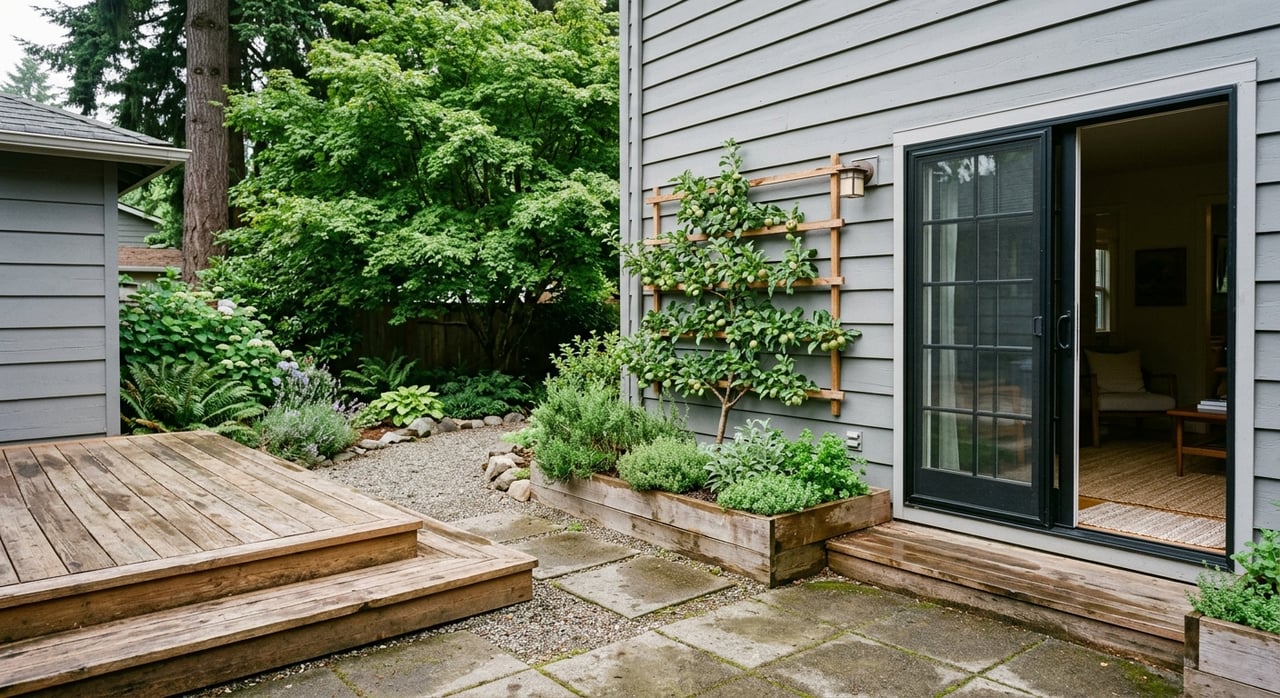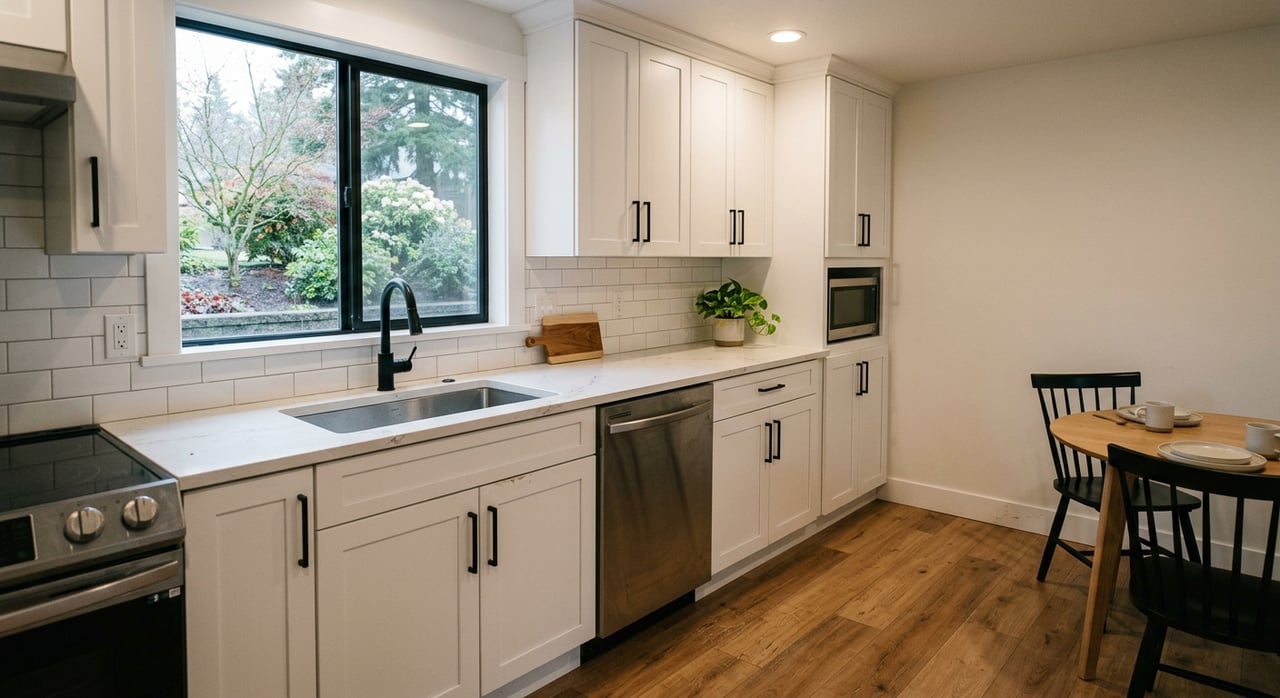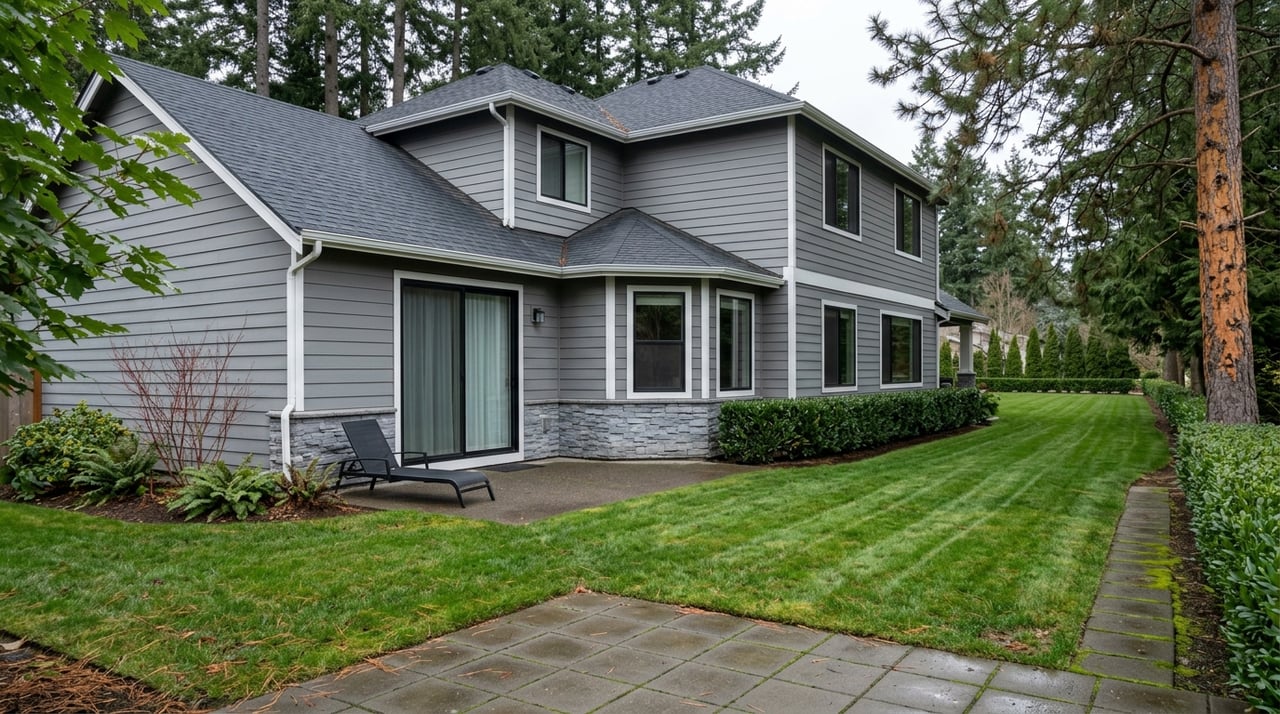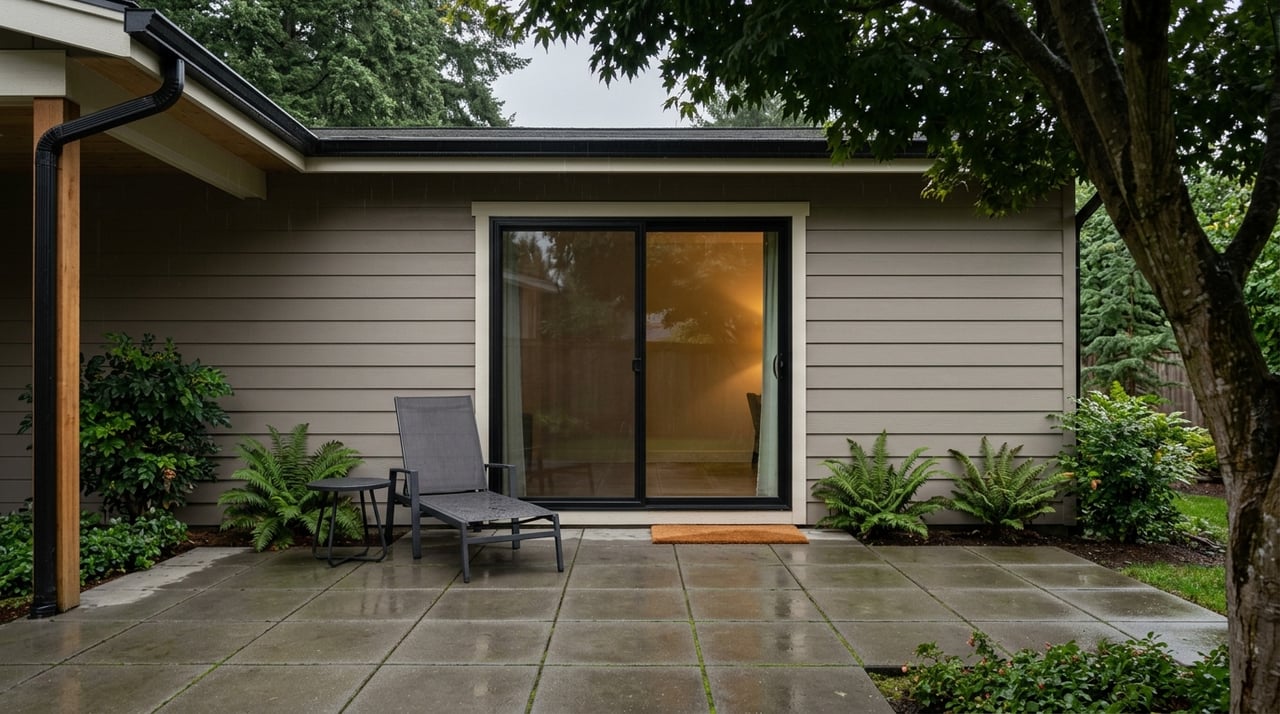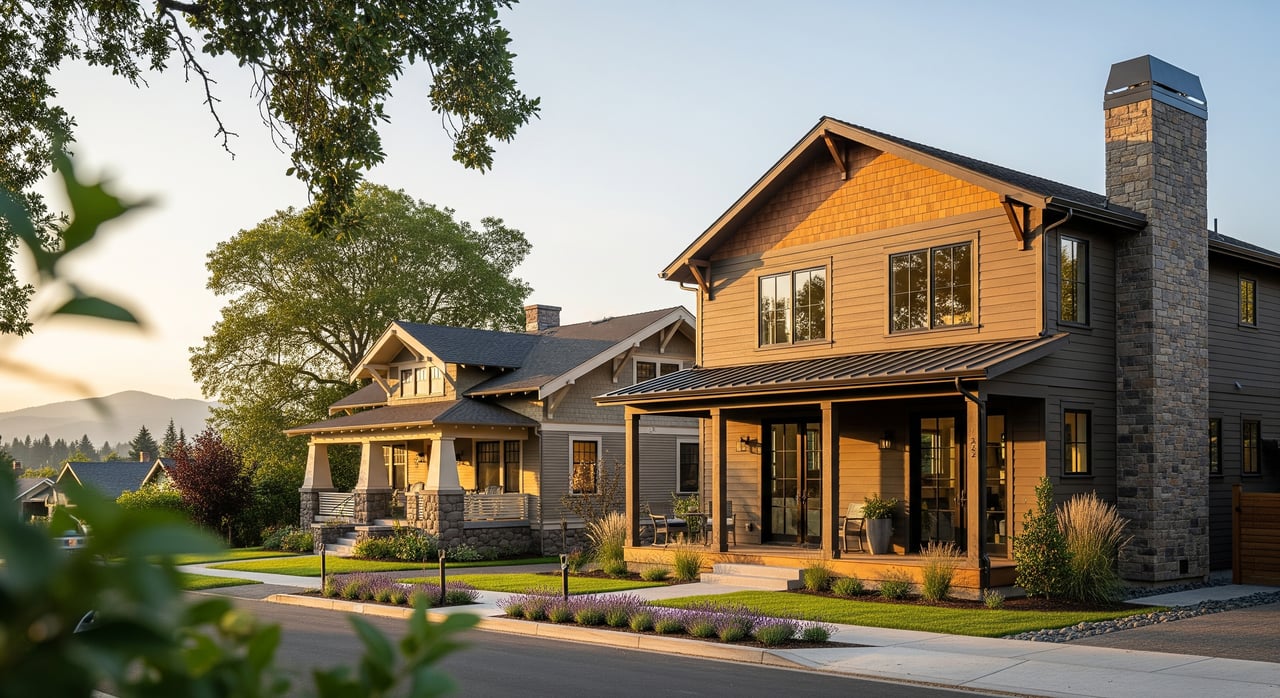
Torn between a brand-new build and a lived-in home in Talent? You are not alone. After the 2020 Almeda Fire, the local market includes a mix of rebuilt properties, newer construction, and long-standing homes. In this guide, you will learn how new construction and existing homes compare on build quality, energy costs, timelines, warranties, and resale so you can move forward with confidence. Let’s dive in.
Talent market backdrop
Talent sits in Southern Oregon’s Rogue Valley near Ashland and Medford. Proximity to jobs, schools, and amenities across the valley often shapes what buyers prioritize, including commute times and everyday convenience. Inventory and pricing shift with regional cycles, so timing and availability can impact your options.
The Almeda Fire in September 2020 changed parts of Talent’s housing landscape. You will find neighborhoods with newly rebuilt homes alongside properties that were repaired or untouched. Fire-hardening, defensible space, and documentation of repairs and permits are key topics for both buyers and sellers.
Local geography brings wildfire exposure and some seismic risk, while flood risk depends on the parcel. Utility details matter too. Confirm whether a property is on city services or has a well and septic system, and ask about any infrastructure upgrades tied to rebuilding.
Build quality and codes
New construction standards
New homes must meet current Oregon residential building and energy codes. That usually means stronger structural systems, better insulation and windows, and modern mechanicals. You can expect new foundations, framing, plumbing, electrical, and HVAC, which can reduce near-term repair risk.
Existing home realities
Existing homes are typically grandfathered to the code in effect when they were built. Condition varies with age and maintenance. Older roofs, furnaces, water heaters, or windows may need attention sooner, and renovations can trigger code upgrades in certain areas of the home.
Wildfire resilience
Post-fire rebuilding often includes wildfire-resistant materials and defensible-space planning. You may see ignition-resistant roofing, non-combustible siding, ember-resistant vents, and strategic landscaping. Requirements can vary by site and insurer, so confirm local standards and whether a home meets them.
Indoor air and comfort
New construction commonly integrates better duct sealing, controlled ventilation, and moisture management. These features support comfort and help reduce mold risk. Many existing homes lack these systems, so adding them may require retrofit work.
Energy and operating costs
Newer homes generally meet stricter energy codes. Tight building envelopes, high-efficiency HVAC, and modern windows can lower monthly utility bills. Existing homes can be upgraded, but improvements like insulation, window replacements, and duct sealing add cost and planning.
If you are comparing two specific homes, ask for details such as insulation levels, window specs, and HVAC efficiency. Third-party ratings or documentation can help you estimate operating costs and prioritize upgrades.
Timelines and process
How long it takes
- Existing home purchase: plan on roughly 30 to 60 days from contract to closing after inspections and financing.
- New construction on a production or spec lot: about 4 to 9 months from permit issuance to completion for a typical single-family home, with potential delays if labor or materials tighten.
- Custom builds: often 9 to 18 months or more, especially with design, site work, septic or well, or specialized features.
Permits and approvals
New builds require site and plan review, building and trade permits, and inspections through the City of Talent or Jackson County, depending on jurisdiction. Parcels with wildfire mitigation, stormwater, or septic needs may require additional reviews. Administrative lead times vary, so factor that into your schedule.
Utilities and site work
Confirm sewer and water availability early. If a well or septic system is needed, include permitting and installation time in your plan. Parcels that are steep, constrained, or fire-affected may need grading, retaining, or defensible-space work that adds time and cost.
Cost and insurance factors
Construction costs depend on local labor and materials. While markets have stabilized compared with early post-2020 volatility, contractor availability still affects pricing and schedules. Lot conditions and site prep can move a budget up or down quickly.
For existing homes, budget for near-term updates such as roofs, systems, or energy improvements. Mature trees and landscaping add appeal but can increase wildfire exposure, which may affect insurance.
Insurance and financing deserve early attention. In wildfire-prone areas of Southern Oregon, carriers may have additional requirements or higher premiums. New code-compliant and fire-hardened homes can be easier to insure, but it is smart to obtain parcel-specific quotes before you commit.
Warranties and buyer protections
Typical new-home warranties
Many builders use a 1-2-10 structure. You may see a 1-year warranty for workmanship and materials, a 2-year warranty for major systems like plumbing, electrical, and HVAC, and a 10-year limited structural warranty for load-bearing components. Always get the written terms, including claim procedures and exclusions.
Licensing and oversight
Oregon requires contractors to be licensed. Before you sign, verify that your builder holds an active license and appropriate insurance. For resale properties, confirm whether past work was permitted and finalized, since missing permits can affect resale and insurance.
Inspections you should plan
- Existing homes: schedule a full home inspection and add targeted checks as needed, including sewer or septic, roof, moisture or mold, chimney or fireplace, pest, and radon testing. If the home was fire-affected, ask for repair records and consider an evaluation focused on fire repairs.
- New construction: in addition to municipal inspections, consider independent staged inspections, such as pre-drywall and final. Confirm a Certificate of Occupancy is issued, verify warranty enrollment, and document a punch-list process.
Resale and long-term value
New homes tend to attract buyers with modern layouts, efficient systems, and lower immediate maintenance. That can support resale, especially on good lots in desirable areas. Be mindful that new homes sometimes sell at a premium and may face competition if several similar homes hit the market at once.
For existing homes, resale potential often hinges on lot quality, proximity to services, and the scope and documentation of updates. Well-permitted upgrades, energy-efficient systems, and fire-hardened features can strengthen value for both new and existing properties.
Which is right for you?
Choose new construction if you want:
- Current building and energy codes and lower near-term maintenance.
- Customization of finishes or floor plans within your budget.
- Fire-hardened features and potentially smoother insurance underwriting.
Choose an existing home if you want:
- A shorter path to move-in and established neighborhoods.
- Potentially lower upfront price with room to add value through updates.
- Mature landscaping and unique lot characteristics.
Talent-specific checklists
Buyer checklist
- Confirm whether the property sits in an area affected by the 2020 Almeda Fire and request documentation for any repairs, permits, and inspections.
- Ask about wildfire risk, defensible-space requirements, and current compliance.
- Obtain parcel-specific insurance quotes early, including replacement cost and premium details.
- For new builds: get written warranty details, staged inspection rights, and verify builder licensing and permit records.
- For existing homes: order a full home inspection plus targeted inspections such as sewer or septic, roof, moisture or mold, structural concerns, and fire-repair quality if applicable.
- Request energy details like insulation, windows, HVAC efficiency, and any third-party ratings.
- Confirm utilities and ask about any assessed or upcoming local infrastructure projects that could affect value or taxes.
Seller prep tips
- Gather permits, inspections, and repair records, especially if your home was rebuilt or repaired after 2020.
- Document energy upgrades and fire-hardening features to support buyer confidence.
- Evaluate landscaping for defensible space and address items that affect insurance and safety.
Local guidance when you need it
Every buyer and seller in Talent faces different trade-offs. If you want help comparing specific homes, understanding permit histories, or mapping a realistic build timeline, you do not have to figure it out alone. Misener Property Group pairs hyperlocal Rogue Valley knowledge with responsive, hands-on service to help you make a clear, confident choice. Let’s talk about your goals and the best path forward for your timeline and budget. Connect with Matt Misener today.
FAQs
What are the main pros and cons of new construction in Talent?
- Pros include modern codes, lower initial maintenance, and potential insurance advantages; cons include longer timelines and possible price premiums compared with similar existing homes.
How long does a new home build usually take in Talent, OR?
- Many production builds complete about 4 to 9 months after permits, while custom homes often take 9 to 18 months or more depending on design, site work, and labor availability.
What inspections should I order for an existing Talent home post-fire?
- Get a full home inspection plus targeted checks for sewer or septic, roof, moisture or mold, chimney if present, pest, radon, and a focused review of any fire-related repairs with documentation.
Will wildfire risk affect my insurance and loan in Jackson County?
- Yes, wildfire exposure can influence availability and premiums, and lenders or insurers may set additional requirements; obtain parcel-specific insurance quotes early in your process.
Do new homes in Talent come with warranties and what do they cover?
- Many builders offer a 1-year workmanship and materials warranty, a 2-year systems warranty, and a 10-year limited structural warranty, though terms vary by builder and contract.
Should I buy a lot and build or buy an existing home in Talent?
- Choose building if customization and modern codes are top priorities and your timeline allows; choose an existing home if you want faster move-in, established surroundings, and potential value through updates.