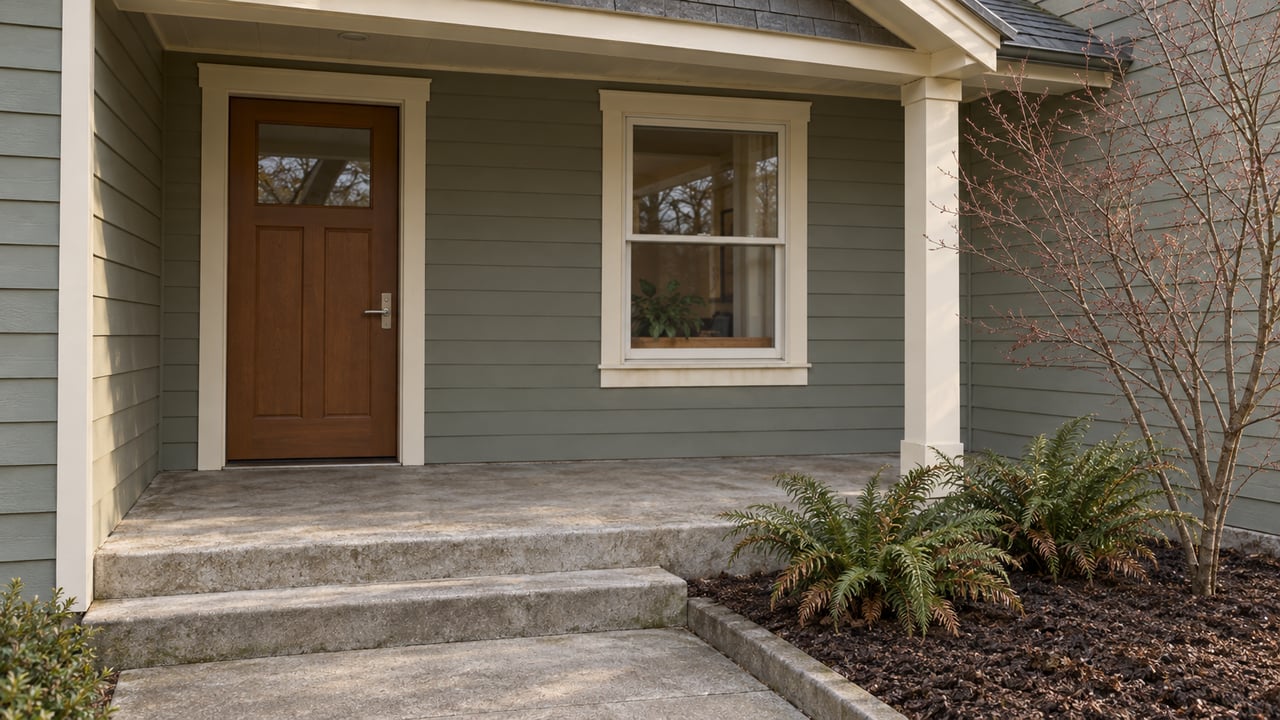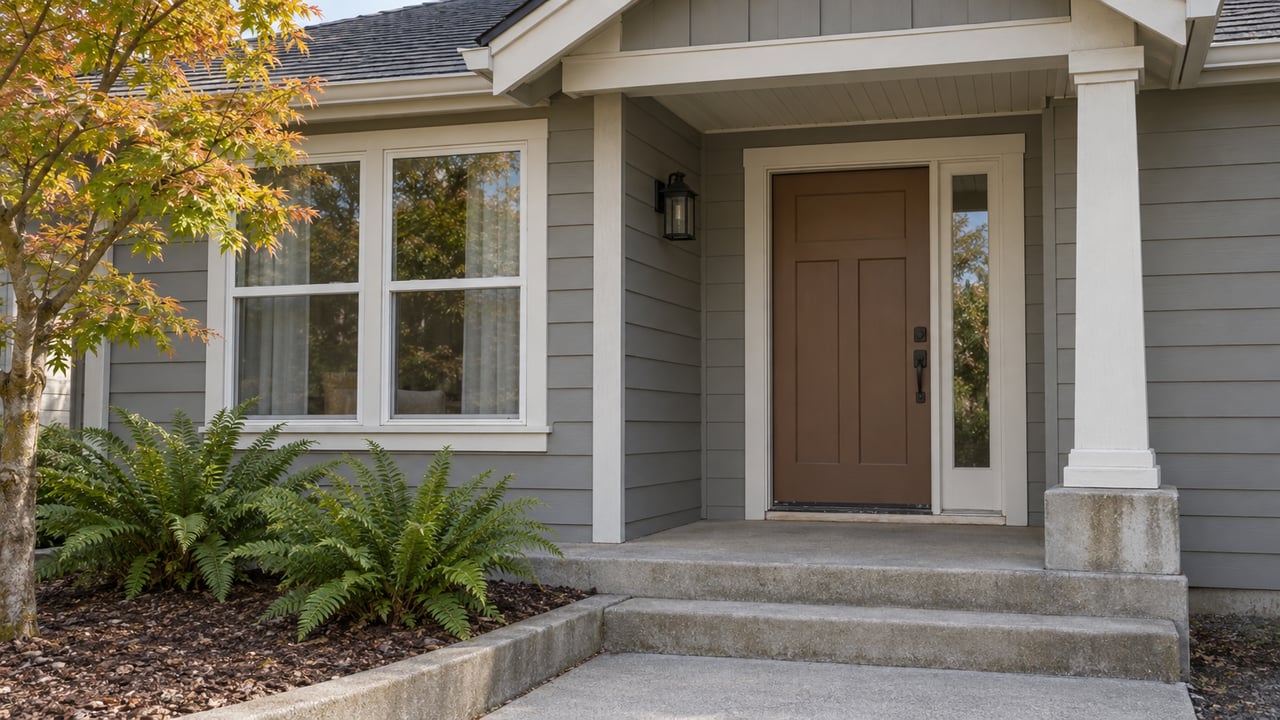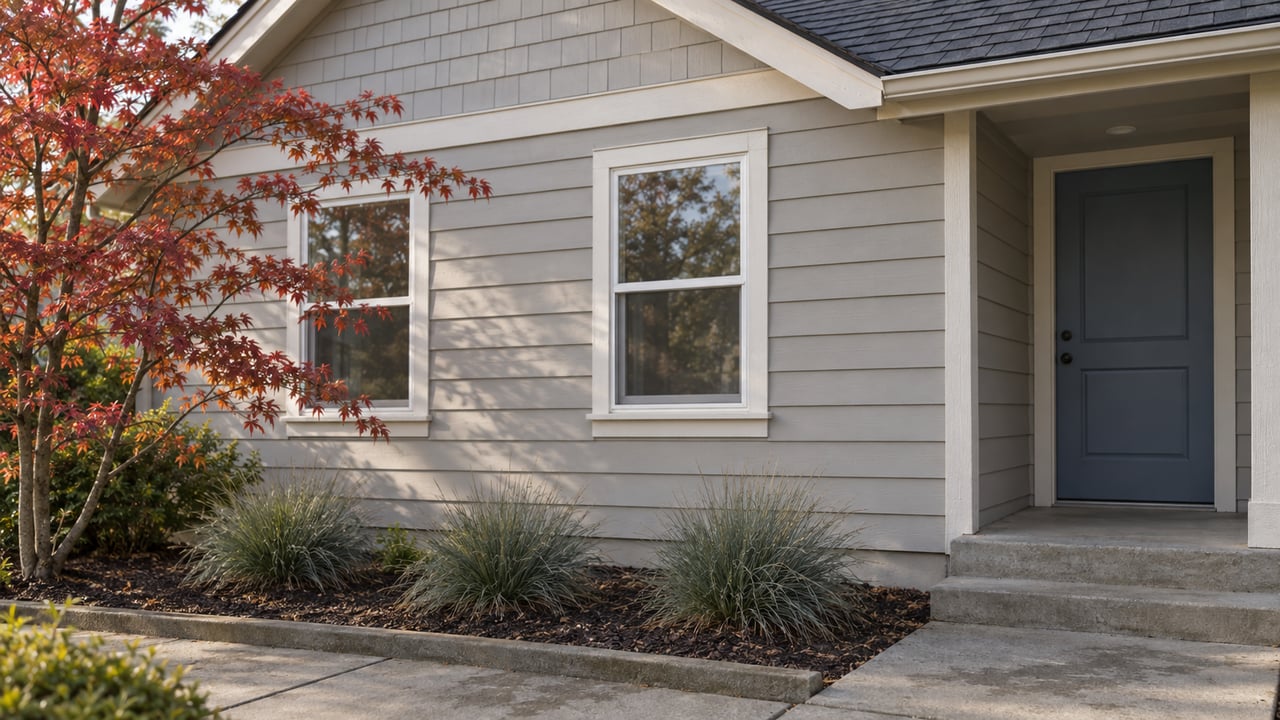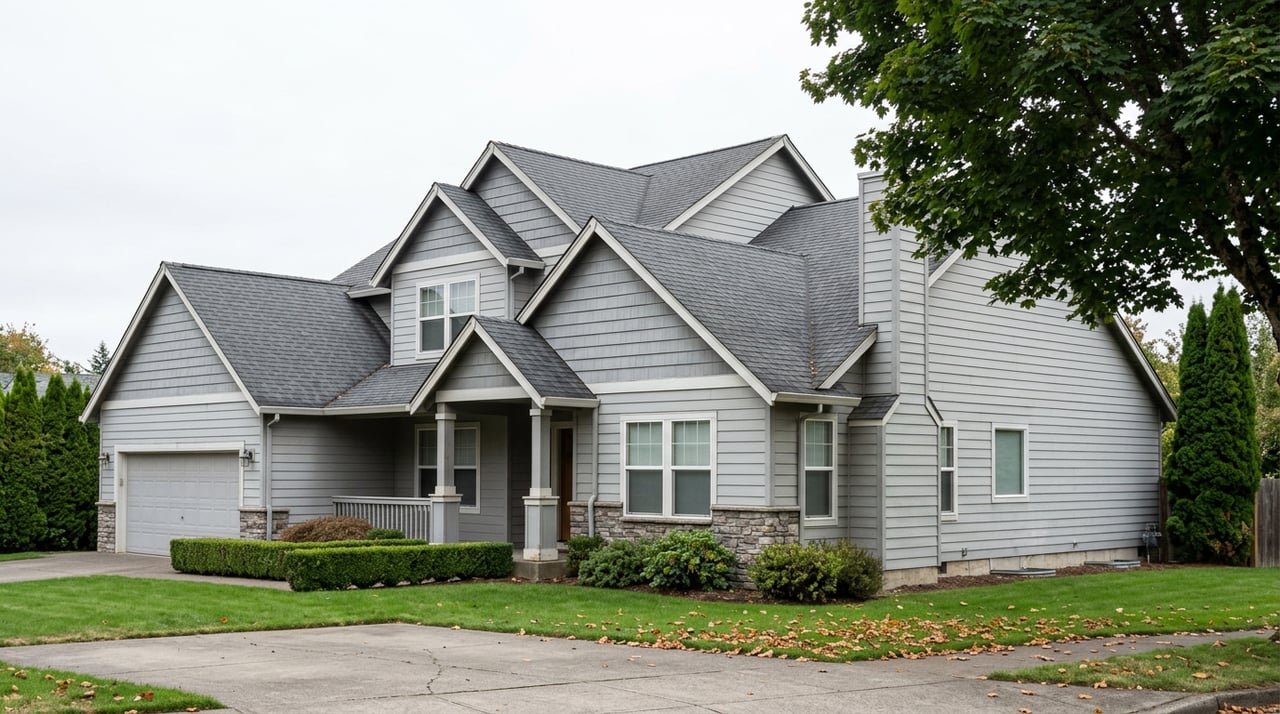
On June 24, 2026, five members of Jacksonville's Historic and Architectural Review Commission sat in the Assembly Room at City Hall and spent part of their evening on a shed. Not just a shed. A 448-square-foot addition, a covered patio, a 160-square-foot storage shed, and a double gate, all proposed for a house on 9th Street that sits next to the Henry Kloppel House. Planning staff walked through setback and lot-coverage standards. The applicant's agent clarified, for the record, that the gate was meant for yard maintenance and not for pulling a truck through. The Commission approved it, with eight conditions attached, and closed the hearing.
Nobody in that room was arguing about whether the addition should happen. The design worked, the standards were met, and the vote carried without much drama. The real question, the one that actually determines whether a Jacksonville historic-district purchase goes smoothly, isn't whether your project will get approved. It's whether the approval lands before or after your closing date.
The Two Rulebooks Nobody Mentions at the Open House
Jacksonville's entire downtown sits inside a National Historic Landmark District, which sounds like it should mean every house plays by the same rules. It doesn't. The city's Unified Development Code splits residential property into two separate chapters. Chapter 18.10 covers Historical Residential properties, meaning homes that appear on the historic listed survey. Chapter 18.11 covers Contemporary Residential properties, which is everything else. A house can sit two blocks from the courthouse and still fall under the lighter chapter, simply because it never made it onto the historic inventory.
That split is the first thing worth confirming before you fall in love with a listing photo. The design obligations attached to a property aren't a function of how old or charming it looks from the street. They're a function of which chapter that specific parcel was assigned to, and that assignment is public record, not a guess.
Not Every Old-Looking House Is Under Review
Jacksonville's Historic Element divides the city into eight Historic Character Units: the Historic Core, North Oregon Street, South Oregon Street, Third Street Corridor, North 5th Street, New School District, Old School District, and Stagecoach Hills. Each of these has its own internal design expectations tied to the physical features the city documented as typical for that specific area.
Here's the part that surprises people. The Westmont and Paradise Ranch Road area sits close to downtown and looks, driving through, like it belongs to historic Jacksonville. City planning documents don't treat it that way. That area was never found to be integral to the city's historic character, so it isn't one of the eight designated units. A buyer comparing two houses a few blocks apart could be looking at meaningfully different design obligations, and how close a house sits to Main Street tells you nothing reliable about which set of rules applies to it.
What Actually Needs a Hearing, and What Doesn't
Not every repair triggers the full Commission process. Jacksonville's Certificate of Appropriateness application breaks projects into three review levels. Level 1 is the most involved, requiring the applicant's narrative to address all thirteen planning code standards, and it's the level that generally lands on the Commission's quarterly hearing calendar. Level 3 requires addressing just one standard and is typically handled administratively by planning staff without a public hearing at all. Level 2 sits in between.
The 9th Street case is a useful reference point for where the line actually falls. An addition of nearly 450 square feet, plus new accessory structures, was substantial enough to require a full Commission hearing with a staff report, a public record, and a vote. A repaint or a like-for-like repair typically wouldn't need any of that. The size and visibility of the change is what pushes a project from a staff sign-off into a scheduled hearing, not the age of the house itself.
Even Britt Goes Through the Same Process
If there's any doubt that this process treats every applicant the same way regardless of who's asking, look at what's happening at the US Hotel. Britt Music & Arts Festival purchased the 1880 building in downtown Jacksonville to convert into its new administrative headquarters, complete with box offices, a performance and gathering space, and an education center. The project timeline runs architecture work and fundraising through 2025, with seismic retrofitting and construction beginning in 2026. A well-funded nonprofit with a defined construction schedule still has to clear the same design review gauntlet as a homeowner adding a shed.
That's not a knock on the process. It's actually the most reassuring thing about it. The rules are published, the standards are the same for everyone, and the outcome isn't decided by who has the bigger budget or the higher profile. What varies is the calendar, and that's the piece a buyer actually needs to manage.
The Timing Math That Works in Your Favor, If You Plan for It
Jacksonville's Historic and Architectural Review Commission is required to meet a minimum of four times a year, once each quarter, though the chair or three voting members can call a special session if needed. That's roughly one hearing opportunity every three months for anything that needs a Level 1 or Level 2 review.
Here's where it gets interesting. As of August 2026, homes in Jacksonville were spending a median of 95 days on the market before selling, according to listing data reported that month. Ninety-five days is almost exactly one full HARC cycle. That means most Jacksonville listings are already burning through nearly a full quarter of calendar time before a buyer even gets to the closing table, which gives a motivated buyer a real window to get a Certificate of Appropriateness application in front of the Commission before their purchase closes, provided they start that conversation the day they go under contract instead of waiting until after the inspection period wraps up.
Pricing tells its own version of this story. Zillow's home value index for Jacksonville, updated at the end of July 2026, put the average home value at $612,322, up 2.5% over the prior year. Listing data from that same August reported a median list price closer to $777,000. That's a meaningfully wide gap between what an automated model estimates a typical property is worth and what sellers are actually asking. Part of that gap is simply the nature of the inventory. A historic-district home with its own set of design obligations doesn't have the kind of clean, plentiful comparables that make automated valuation reliable in a standard subdivision. Two houses on the same block can carry different renovation ceilings depending on which Historic Character Unit they sit in, and that's hard for a pricing algorithm to see.
What to Ask Before You Write the Offer
None of this should scare a buyer away from a historic Jacksonville property. It should change the order of operations. Before writing a contingency around renovation plans, ask three things: whether the parcel falls under 18.10 or 18.11, whether it sits inside one of the eight Historic Character Units or in an unlisted pocket like Westmont, and when the next HARC meeting is scheduled relative to your target closing date. The city's Historic and Architectural Review Commission page lays out the meeting cadence, and the full text of Title 18 spells out exactly which standards apply to which chapter.
A Couple of Quick Questions
Does every repair on a historic-district home need a hearing? No. Most routine maintenance and minor repairs are handled administratively by planning staff. Full Commission review is reserved for street-visible additions, new construction, and similarly major alterations, the kind of project seen in the 9th Street case.
How do I find out which Historic Character Unit a property is in, or whether it's covered at all? The city's Historic Element and Historic Character Unit map document the boundaries, and Jacksonville's Planning Department can confirm a specific parcel's status before you write an offer. That single phone call can save months of back and forth later.
Jacksonville rewards patience and punishes assumptions. The design standards aren't the obstacle. Knowing where your calendar and the Commission's calendar overlap is what actually determines how smoothly a historic-district purchase goes. If you're weighing a property in the Historic Core, on Stagecoach Hills, or anywhere in between, Matt Misener can help you check the parcel's status and the Commission's calendar before you're locked into a contingency you didn't need to write. Let's Connect.
This article is general information, not legal, tax or financial advice. Consult a qualified professional about your situation.