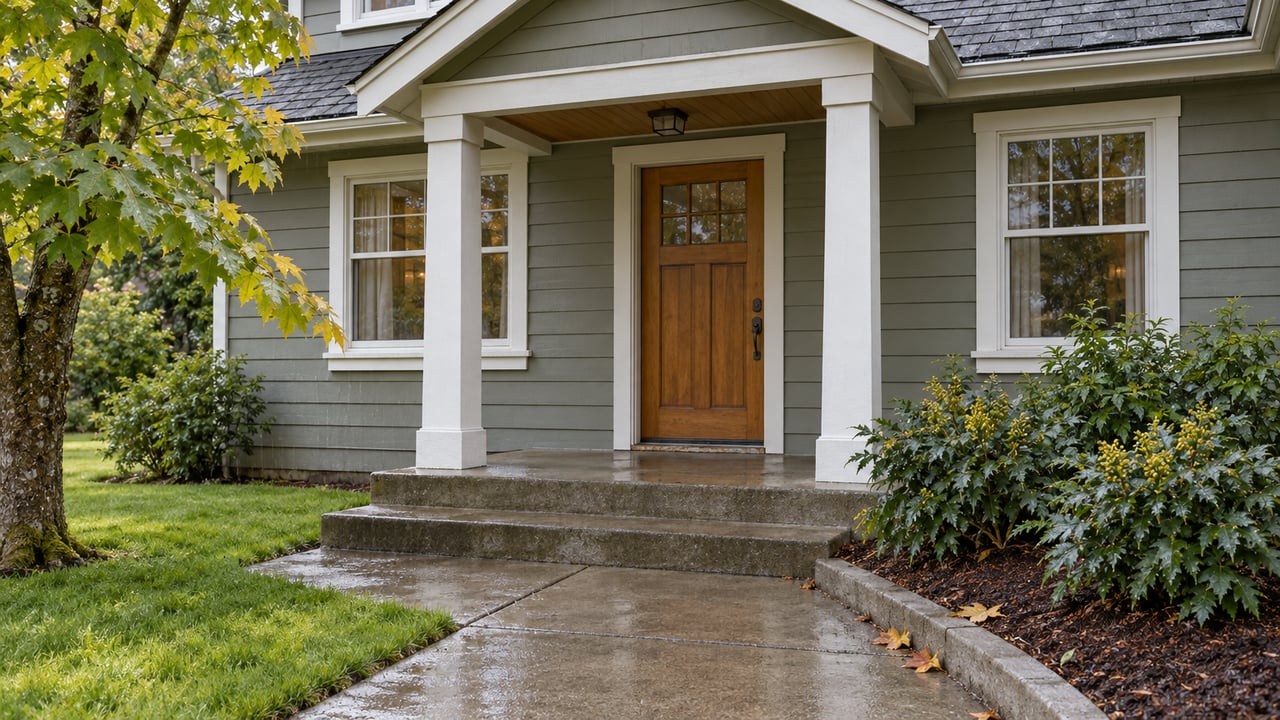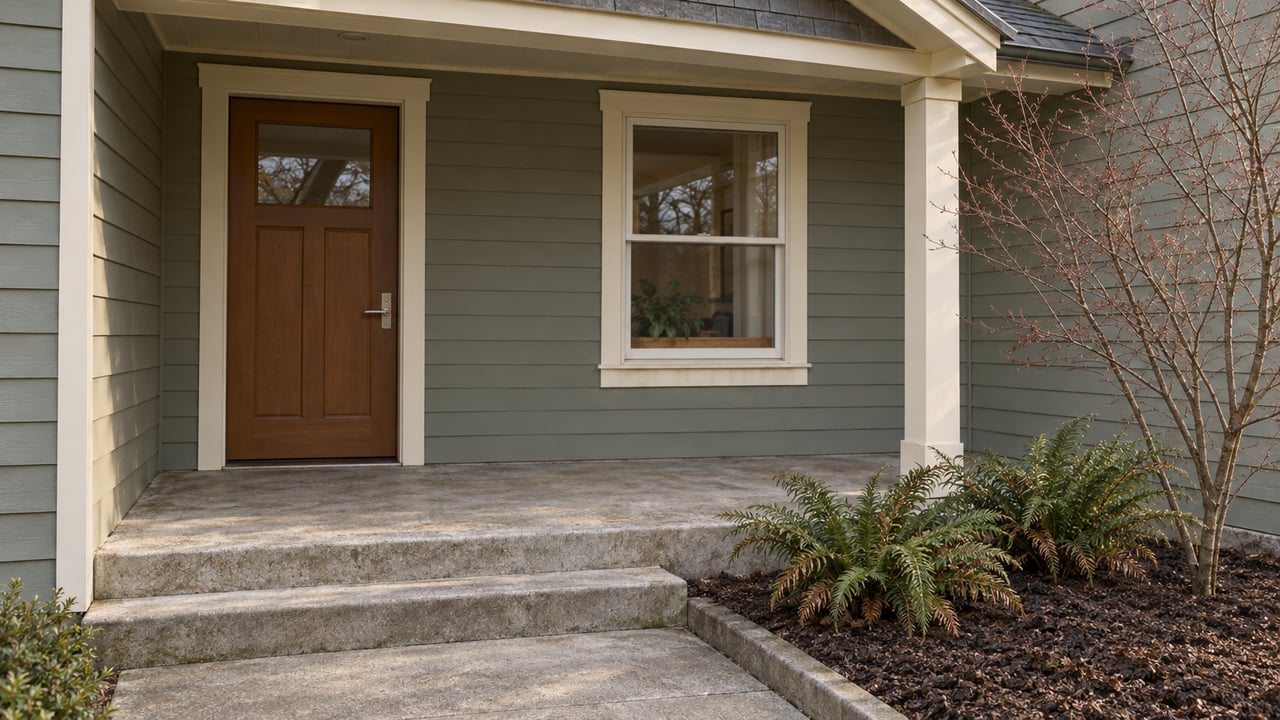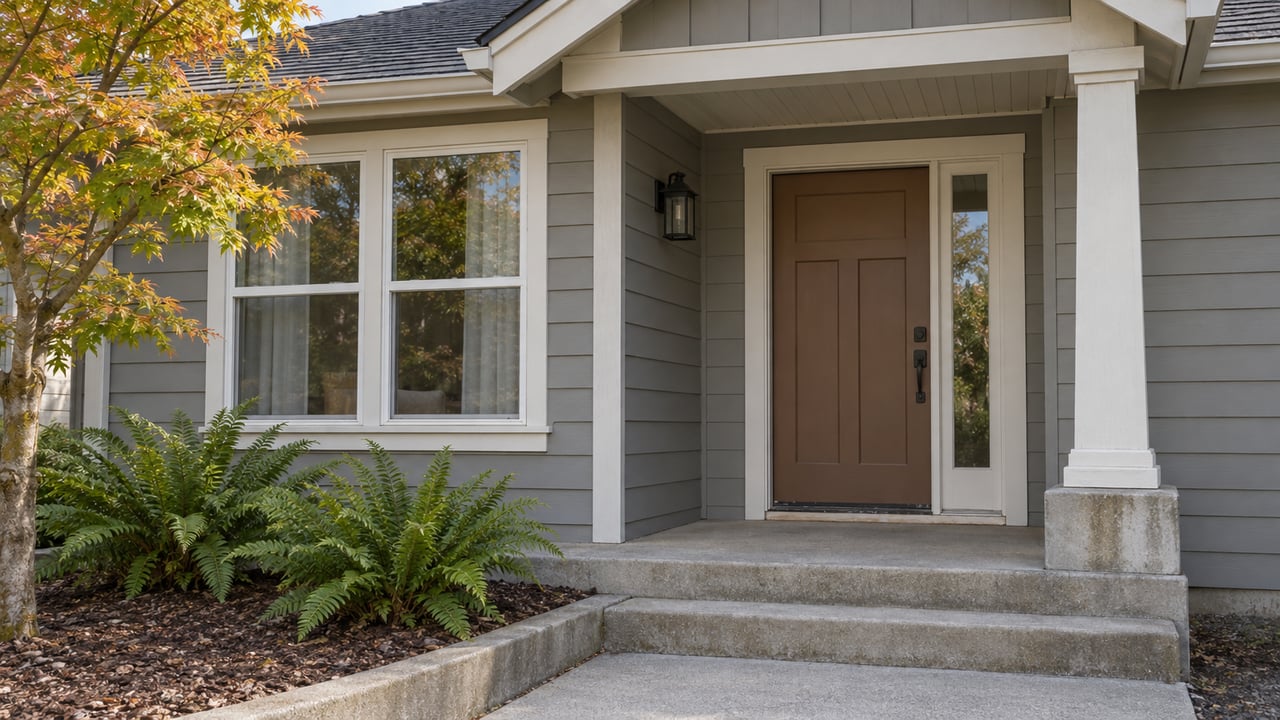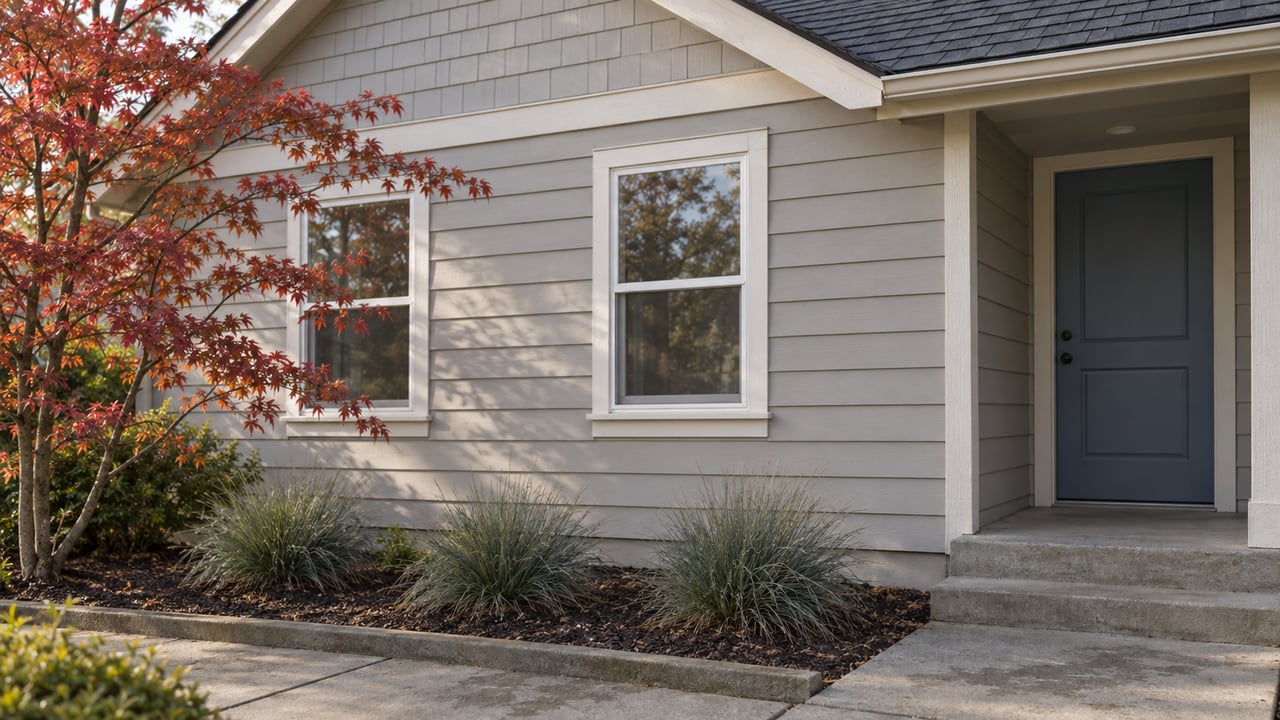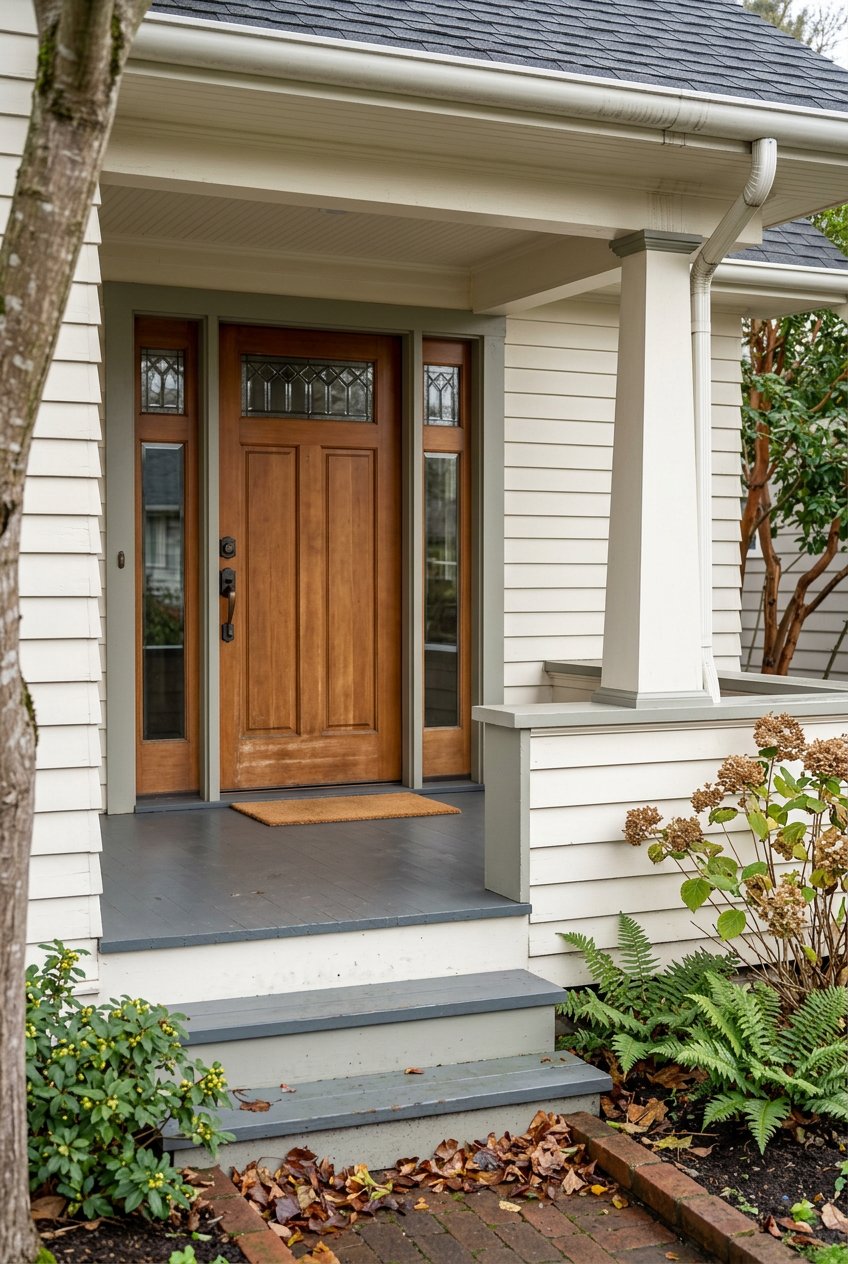
Love the look of Jacksonville’s period homes but not sure what it takes to own one? You’re not alone. Historic houses here offer character, craftsmanship, and a strong sense of place, but they also come with unique rules, inspections, and maintenance priorities. In this guide, you’ll learn how to protect your investment, plan improvements the right way, and keep long-term value strong.
Let’s dive in.
What makes Jacksonville homes distinctive
Jacksonville’s core is recognized as a National Historic Landmark District, and that shows in the streetscapes, rooflines, and trim details you see every day. The city’s surveys describe a range of 19th- and early 20th-century styles, including vernacular homes, Italianate, Queen Anne/Eclectic, Federal/Italian Villa influences, board-and-batten cottages, and later Craftsman/Bungalows. These details are part of the town’s “period character” and a big reason buyers are drawn here. You can explore the background in the city’s Historic Context Statement.
How historic rules affect your plans
Jacksonville actively protects its historic character through Title 18 of the municipal code. If you buy in the district, many exterior changes will require a Certificate of Appropriateness and must follow preservation principles like repairing rather than replacing and matching materials when replacement is necessary. You’ll also find restrictions on certain modern materials, especially for windows and visible exterior elements. Review the city’s Title 18 Historic Protection & Design Regulations before you plan work.
A smart first step is to meet with city staff or the Historic/Architectural Review Commission to confirm what needs approval and expected timelines. You can find contacts and process info on the city’s Historic & Architectural Review Commission page. For local history and context, the nonprofit Historic Jacksonville can be a helpful resource for photos and referrals. Reach out via Historic Jacksonville, Inc..
Top maintenance and safety priorities
Older homes last longer when you focus on fundamentals. Use this list to guide your due diligence and early maintenance.
Keep water out
Moisture is the number one enemy of older buildings. Look closely at roof condition and flashing, gutters and downspouts, site drainage, porch posts and foundations, and any spots where water can collect. The National Park Service’s exterior maintenance guide outlines a practical inspection cycle and priorities. See NPS Preservation Brief 47 on maintaining historic exteriors for a clear, step-by-step approach.
Respect original windows
Many Jacksonville homes still have their original wood windows and trim. The NPS recommends repair and weatherization over wholesale replacement for both preservation and lifecycle cost reasons. Simple steps like sash repair, weatherstripping, and adding storm windows often perform well and retain character. Learn more in NPS guidance on weatherizing historic windows and doors.
Mind the masonry
If your home includes historic brick or stone, be careful with mortar repairs. Hard, modern mortars or mismatched repointing can damage older masonry over time. A qualified mason with historic experience can evaluate joints and propose compatible mortar mixes.
Update critical systems
Plan for electrical, plumbing, and heating upgrades if they haven’t been modernized. You may encounter knob-and-tube wiring, ungrounded outlets, old fuse panels, galvanized water lines, or cast-iron drains. These affect safety, insurance, and financing. Budget for targeted updates during your first few years of ownership.
Check for pests and rot
Oregon homes can see termite, carpenter ant, and wood-borer activity, especially where moisture is present. Ask for a licensed wood-destroying organism (WDO) inspection and review any past treatment or repair records.
Test for environmental hazards
Older finishes can contain lead-based paint, and certain older materials may contain asbestos. If you plan to disturb painted or suspect materials, consider testing. Radon testing is also recommended in every home. The EPA offers practical guidance for buyers and sellers on radon testing and mitigation.
Inspections you should order
Before you remove contingencies, line up inspections that match the age and condition of the house.
- General home inspection for systems and structure
- Licensed WDO inspection for termites and other wood-destroying organisms
- Electrical evaluation for older wiring, panel condition, and circuit capacity
- Plumbing inspection for galvanized lines, cast-iron drains, and water heater condition
- Chimney and flue inspection, especially for masonry chimneys or wood stoves
- Structural or foundation engineer review if you see settlement, major rot, or plan additions
- Environmental testing as needed: lead-based paint, asbestos, and a radon test (see EPA radon guidance)
Financing and incentives for historic homes
Understanding what applies to your property type can protect your budget and returns.
Federal and state historic incentives. The federal Historic Rehabilitation Tax Credit typically applies to income-producing properties listed on the National Register, not owner-occupied single-family homes. Oregon also offers a Special Assessment program for certain National Register-listed commercial properties, with a 10-year assessed-value benefit if you meet plan and spending requirements. Review eligibility and rules through the Oregon SHPO’s tax incentives page and talk with them early in your planning.
Renovation mortgages for owner-occupants. If you plan improvements as part of your purchase, two options allow you to finance the purchase and rehab together:
- FHA 203(k) Rehabilitation Mortgage. Useful for a wide range of projects and guided by a 203(k) consultant. Learn program basics from HUD’s 203(k) page.
- Fannie Mae HomeStyle Renovation. A conventional, single-close option with different rules and limits than FHA. Review the framework in Fannie Mae’s HomeStyle Renovation overview.
Financing checklist:
- Ask lenders if they regularly close 203(k) or HomeStyle loans and what timelines to expect.
- Confirm consultant requirements and contractor bid formats.
- Share your preliminary scope to ensure it fits program rules and your budget.
Negotiation, insurance, and resale
Historic district status protects neighborhood character, which often supports long-term value. It can also limit certain exterior changes and increase maintenance obligations. Use your inspections to price near-term work like electrical upgrades, roof and drainage fixes, window repairs, chimney and masonry work, and any hazard abatement. For larger projects, get contractor estimates to support a request for seller credits or a price adjustment.
Insurance can vary with older homes. Some carriers may require electrical or plumbing upgrades, and certain roof types can affect underwriting. Get an insurance quote early and ask what updates would improve coverage or pricing.
Due diligence checklist for your offer
Use this list to stay organized and avoid surprises.
- Confirm whether the property is inside the National Historic Landmark District or on the local inventory. Ask the seller or city planning staff for documentation.
- Request records of any Certificates of Appropriateness and building permits to understand what exterior changes were approved under Title 18.
- Ask the seller for previous WDO, radon, lead, asbestos, sewer/septic, chimney, and roof reports.
- Make these inspections contingencies: general, licensed WDO, electrical, plumbing, chimney, and a radon test.
- If you plan major work, contact the city and Oregon SHPO early to confirm if your scope requires approvals or could qualify for incentives. Start with SHPO’s tax incentives overview.
- If using 203(k) or HomeStyle, ask your lender about consultant roles, timelines, required bids, and how draws are handled. See HUD’s 203(k) and HomeStyle Renovation for program details.
Ready to explore historic homes with a local guide at your side? Reach out to a team that knows Jacksonville’s rules, inspectors, and contractors and can help you plan smart upgrades that honor the home and protect your budget. Let’s connect with Matt Misener.
FAQs
What is a Certificate of Appropriateness in Jacksonville?
- It is a city approval required for many exterior changes in the historic district, reviewed under Title 18 to ensure work preserves character and uses appropriate materials.
Are owner-occupied historic homes eligible for federal tax credits?
- Generally no; the 20% federal Historic Rehabilitation Tax Credit applies to certified rehabilitations of income-producing properties listed on the National Register.
Which inspections are most important for an older Jacksonville home?
- Start with a general inspection, WDO, electrical, plumbing, chimney, and a radon test; add structural and environmental testing if conditions or plans warrant.
Do I need to replace old wood windows to improve efficiency?
- Not necessarily; NPS guidance supports repairing and weatherizing original windows and using storm windows, which often performs well and preserves historic character.
How do historic rules affect resale value?
- District protections help maintain neighborhood character, which supports value, while approval requirements and material standards can increase maintenance planning; buyers should budget accordingly.