If your home has started to feel like more work than comfort, you are not alone. In Eagle Point, many longtime homeowners are reaching a stage where less upkeep, fewer rooms, and a simpler routine sound appealing, but the idea of sorting through years of memories can feel overwhelming. The good news is that downsizing does not have to happen all at once, and with the right plan, you can protect your equity, reduce stress, and make your next move with confidence. Let’s dive in.
Why downsizing matters in Eagle Point
Downsizing is a very real consideration for many local homeowners. According to the U.S. Census QuickFacts for Eagle Point, the city’s population was estimated at 9,811 in July 2024, and 21.9% of residents were age 65 or older in the 2020-2024 ACS.
Eagle Point is also a community with deep homeowner roots. The same Census data shows that 74.4% of homes are owner-occupied, and 84.9% of residents lived in the same house one year earlier. That kind of stability often means people have spent many years building memories and, in many cases, building equity too.
If that sounds like your situation, downsizing may be less about "leaving" and more about choosing a home that better fits how you live now. It can mean fewer maintenance tasks, lower monthly costs, and a setup that is easier to manage day to day.
Start earlier than you think
One of the biggest mistakes senior sellers make is waiting too long to begin. Even if you hope to move in a few months, the downsizing process often takes longer than expected because it includes emotional decisions, home prep, and the sale itself.
That timeline matters in Eagle Point. Redfin’s Eagle Point housing market data reported a median sale price of $532,500 in February 2026, average days on market of 106, and a 97.3% sale-to-list ratio, with the market described as somewhat competitive.
A longer average market time does not mean you cannot sell successfully. It does mean you should give yourself room to sort, prepare, list, and move without feeling rushed.
Handle the emotional side first
Downsizing is not only a real estate decision. It is also a life transition.
AARP’s guidance on coping with downsizing explains that the process can be emotional because belongings often carry personal memories. AARP recommends making the decision consciously, staying involved in the process, and asking a trusted family member, friend, or professional to help.
That advice matters because many sellers get stuck before they even begin. If every room feels personal, it becomes hard to make progress. A more helpful mindset is to focus on what your move will make possible, such as less cleaning, easier living, or a home that fits your current season of life.
Use a simple decluttering plan
When you have lived in one home for many years, decluttering can feel impossible if you try to do it all at once. AARP recommends short daily sessions, small manageable tasks, and starting with the least emotional spaces first, like a bathroom cabinet, linen closet, or utility drawer.
Its decluttering guide also suggests pulling everything out of a space before sorting. Then use simple categories like Keep, Trash, and Donate.
A practical way to decide is to ask:
- Is it broken?
- Is it outdated?
- Is it still useful for the life you live now?
- Would I choose to move this into my next home?
This kind of structure helps you avoid decision fatigue. Instead of asking yourself to downsize your entire house, you only need to finish one drawer, one shelf, or one closet at a time.
Follow the right prep order
For most senior sellers in Eagle Point, the best path is to prepare in stages. Trying to repair, clean, sort, and stage everything at once usually creates stress and confusion.
A practical order looks like this:
- Sort belongings first
- Complete repairs and maintenance
- Deep clean the home
- Simplify and stage each room
This sequence lines up with AARP’s manageable decluttering approach and with Fannie Mae’s home-selling guidance, which recommends needed maintenance, cosmetic updates, and a neutral, clutter-free presentation.
Make your home easier for buyers to picture
Once you reduce clutter, your home becomes easier to market. Buyers respond better when they can see the size, function, and flow of each room clearly.
Fannie Mae notes that strong preparation can make a home more attractive, while excessive personal touches can limit appeal. That usually means simplifying furniture, clearing surfaces, and keeping décor neutral so buyers can focus on the home itself rather than your belongings.
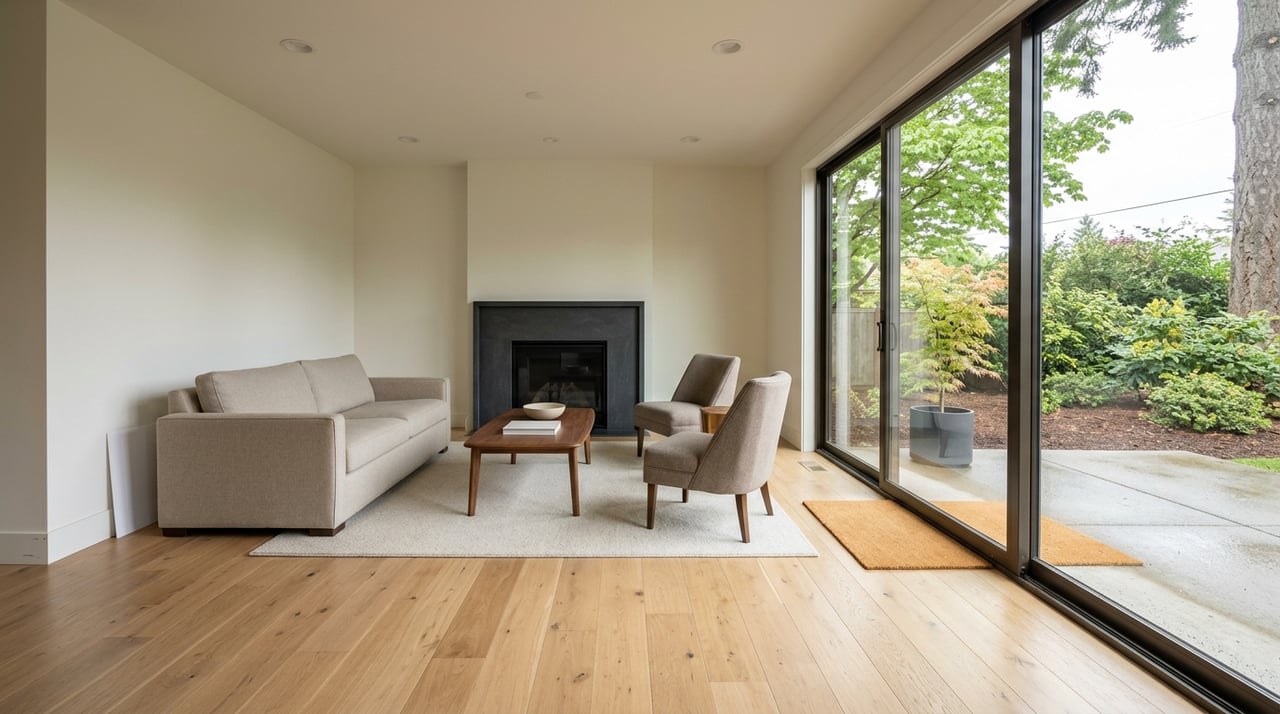
This does not mean your home has to look empty or cold. It simply means creating a clean, calm setting that feels well cared for and move-in ready.
Budget for selling and moving costs
It is easy to focus on sale proceeds and forget the costs that come with the transition. Before you list, it helps to map out expected expenses so you can make decisions with a clear picture of your bottom line.
Fannie Mae recommends budgeting for repairs, closing costs, and moving expenses. If you are buying your next home at the same time, you may also want to plan for overlap costs, storage, or temporary help with packing and moving.
A good downsizing plan is not only about getting top dollar. It is also about making sure the move feels manageable from start to finish.
Think carefully about your next home
Downsizing works best when you know what you are moving toward. In Eagle Point, Redfin’s market page tracks single-family homes, townhouses, and condos/co-ops, which gives you a starting point as you compare detached and attached options.
As you evaluate your next home, think beyond square footage. Consider how much maintenance you want, how much storage you truly need, and whether your next home supports your day-to-day routine more comfortably.
Helpful questions to ask include:
- Do you want fewer yard responsibilities?
- Would a one-level layout be easier to manage?
- How much guest space do you really use?
- Do you want to stay close to familiar services and community connections?
Work with senior-focused support
A downsizing move often involves more than pricing and paperwork. It can also include organizing, coordinating help, and pacing the process in a way that feels respectful.
The National Association of Realtors’ SRES designation is designed for REALTORS® who want to meet the needs of older adults when selling, buying, relocating, or refinancing. That matters because senior moves often come with different priorities, timelines, and emotions than a standard sale.
The same is true for move management support. NASMM is referenced in the research as a resource for professionals who help older adults and families organize, declutter, downsize, relocate, or age in place. The main takeaway is simple: you do not have to do every part of this alone.
Use local Eagle Point resources
A successful downsize is not just about leaving a larger home. It is also about creating a daily life that feels manageable and connected after the move.
The Eagle Point Senior Community Center offers bingo, a thrift store, Food & Friends lunches Monday through Friday at 11:30 a.m., and hot meals for homebound seniors in Eagle Point. For some sellers, knowing these supports are nearby can make a transition feel less uncertain.
The research also notes that RVCOG connects older adults and caregivers to Senior & Disability Services, the Aging & Disability Resource Connection, and Food & Friends / Meals on Wheels. The Oregon Department of Human Services lists the statewide ADRC number as 855-673-2372.
ACCESS in Medford adds support with food, warmth, shelter, rental assistance, affordable housing, weatherization, utility assistance, and homeownership support. Depending on your plans, these resources may be useful before, during, or after your move.
A practical downsizing checklist
If you are not sure where to begin, keep it simple. Start with the next doable step.
Here is a practical checklist for senior sellers in Eagle Point:
- Set a target move window
- Identify your likely next-home needs
- Begin decluttering with one low-stress room
- Sort items into Keep, Trash, and Donate
- Ask for help from family, friends, or a trusted professional
- Complete basic repairs and deferred maintenance
- Deep clean and simplify each room
- Review local market timing and pricing
- Budget for selling, closing, and moving costs
- Create a plan for your move-in and daily routine after the sale
Downsizing can feel like a big project, but it becomes much more manageable when you break it into clear steps. With the right guidance, you can make thoughtful decisions, protect your time and energy, and move on to a home that fits you better today.
If you are thinking about downsizing in Eagle Point, Matt Misener can help you create a clear plan, understand the local market, and move at a pace that feels right for you.
FAQs
What does downsizing in Eagle Point usually involve for senior sellers?
- Downsizing in Eagle Point usually includes decluttering, planning your next housing needs, preparing your current home for sale, budgeting for moving costs, and timing the sale based on local market conditions.
How early should you start downsizing before selling a home in Eagle Point?
- You should start earlier than you think, since Eagle Point homes averaged 106 days on market in Redfin’s February 2026 snapshot, and most sellers also need time to sort belongings, make repairs, and prepare for a move.
How can senior homeowners make decluttering easier before a move?
- AARP recommends working in short daily sessions, starting with less emotional areas, pulling everything out before sorting, and using simple decisions like Keep, Trash, and Donate.
What types of homes can downsizers compare in Eagle Point?
- Redfin’s Eagle Point market page tracks single-family homes, townhouses, and condos/co-ops, which can help downsizers compare detached and attached housing options.
What local resources may help seniors after downsizing in Eagle Point?
- Local support may include the Eagle Point Senior Community Center, regional aging and disability resources, Food & Friends or Meals on Wheels connections, and additional assistance programs through ACCESS in Medford.