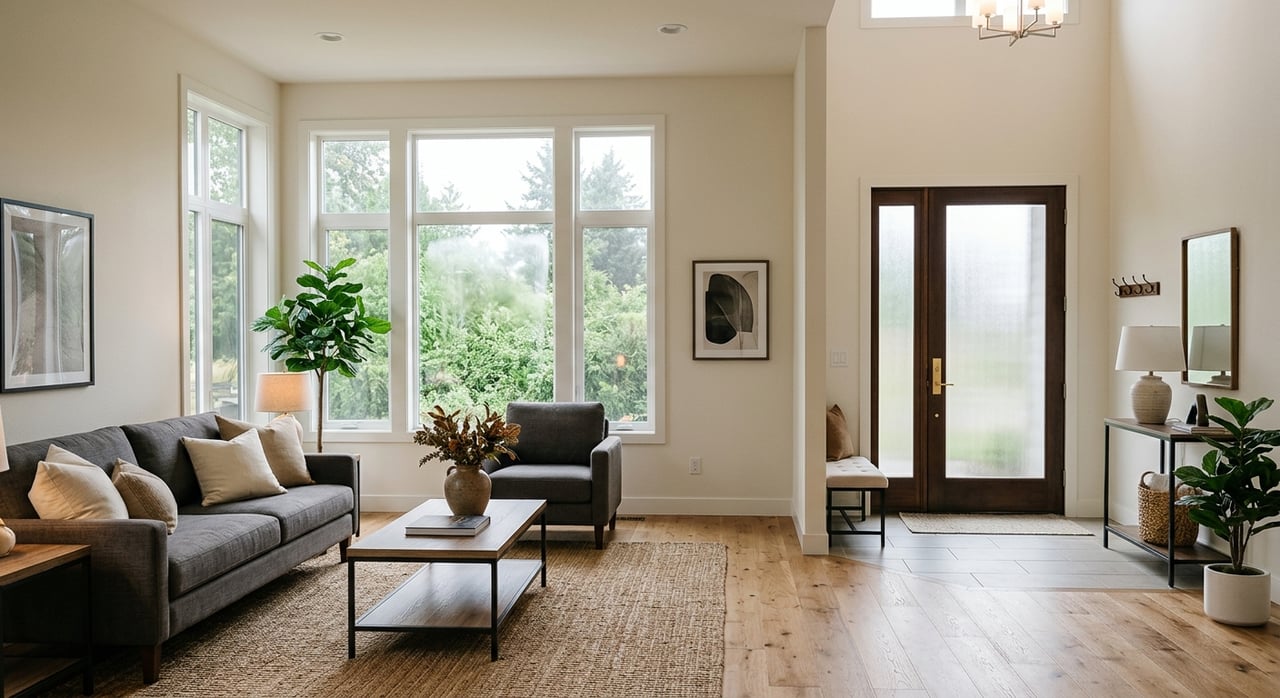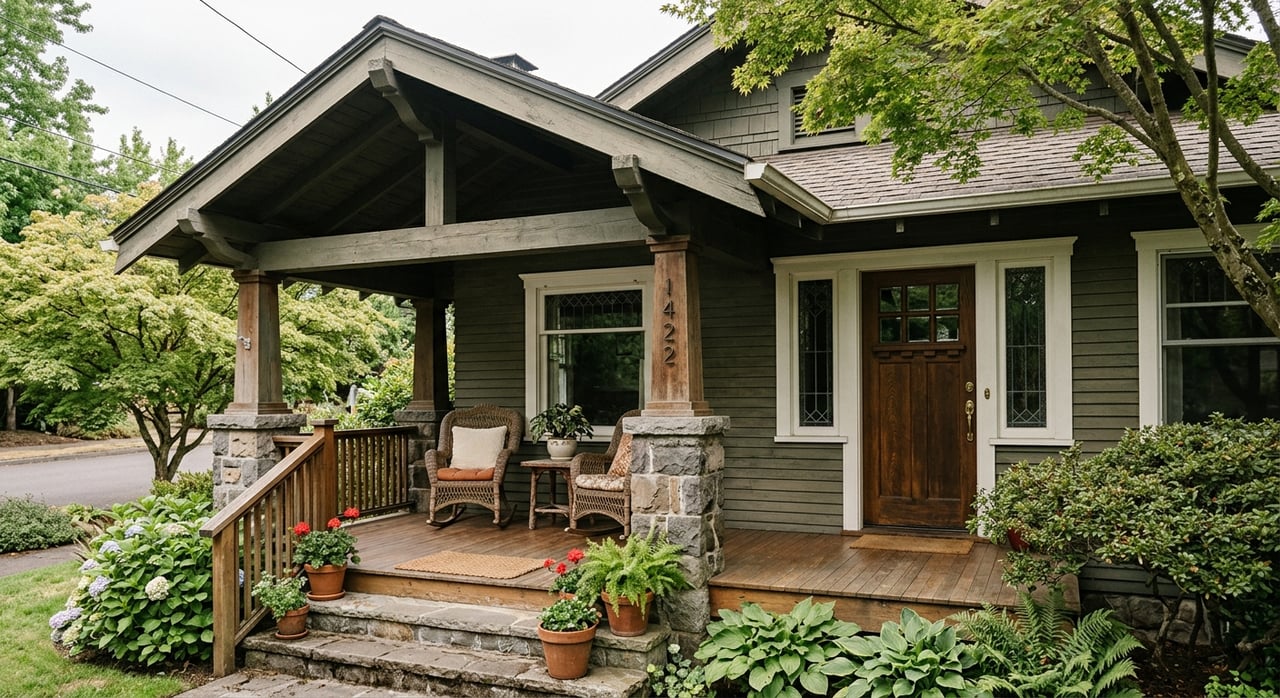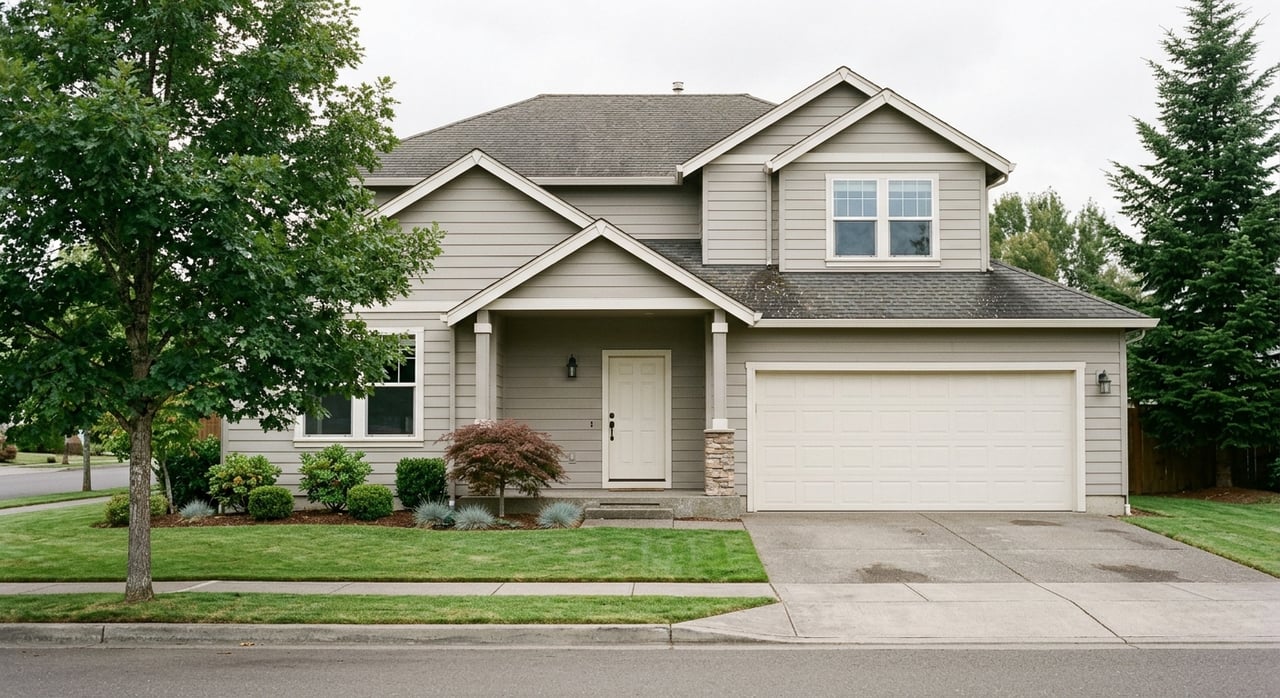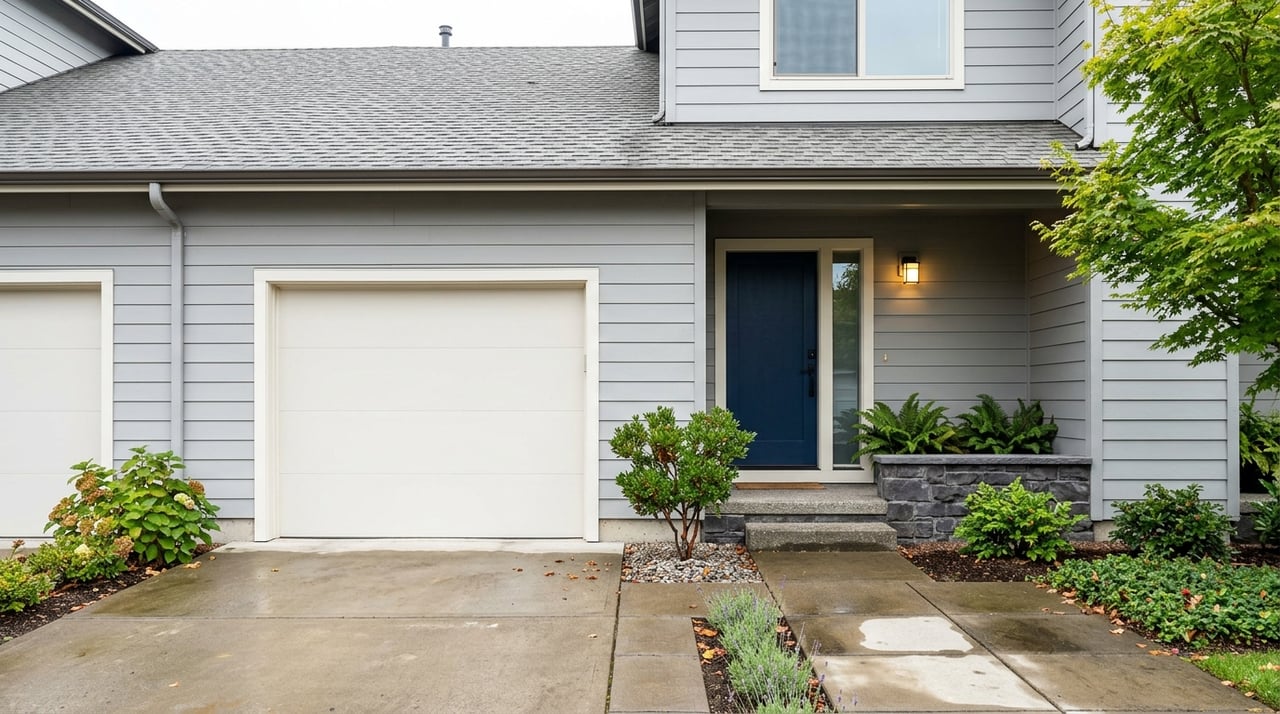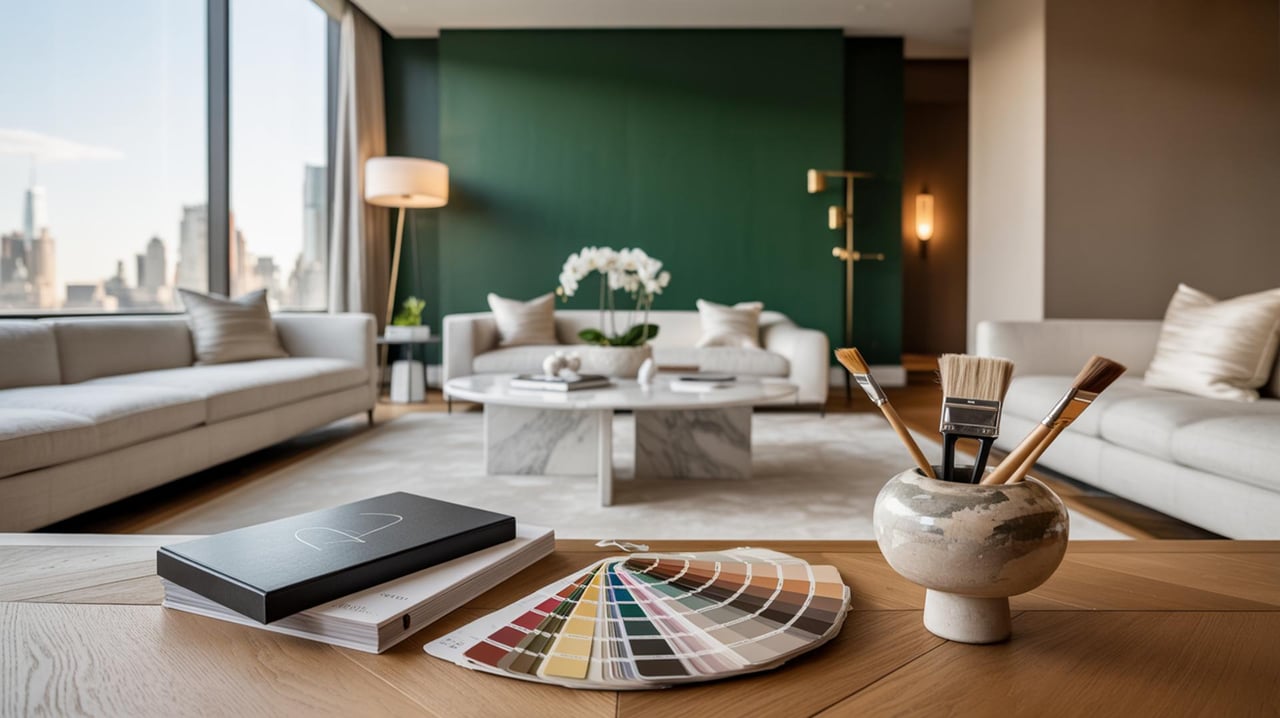
Choosing the perfect paint tones for your home can transform your living space, creating an atmosphere that reflects your personality and enhances your daily life. The right colors can evoke emotions, set the mood, and even influence the perception of space. Whether you're looking to create a calming sanctuary, a vibrant gathering place, or a sophisticated retreat, understanding the nuances of color selection is key.
Understanding Color Psychology
Color psychology plays a significant role in how we perceive and interact with our surroundings. Different hues can evoke various emotions and reactions. For instance, blues and greens are often associated with tranquility and relaxation, making them ideal for bedrooms and bathrooms. On the other hand, warm colors like reds and oranges can energize a space, making them suitable for social areas like living rooms and kitchens. When selecting paint tones, consider the emotional impact you want each room to have and choose colors that align with those feelings.
Considering Natural Light
Natural light can dramatically affect how paint colors appear in a room. A color that looks perfect in a store or on a paint chip may look entirely different in your home, depending on the amount of natural light the room receives. South-facing rooms tend to have warm, bright light, which can enhance warm tones and make cool colors appear more balanced. North-facing rooms, however, receive cooler light, which can make colors appear more muted. It's important to test paint samples in different lighting conditions throughout the day to see how they change.
Coordinating With Existing Decor
When choosing paint tones, it's essential to consider your existing decor. The colors of your furniture, artwork, and accessories should complement your wall colors to create a cohesive look. If you have a statement piece, such as a vibrant sofa or a bold piece of art, you might choose a neutral wall color to let it stand out. Alternatively, if your decor is more subdued, you can use your wall color to add a pop of interest. Creating a mood board with samples of your decor and potential paint colors can help visualize how everything will come together.
Exploring Color Trends
While personal preference should always take precedence, exploring current color trends can provide inspiration and introduce you to new possibilities. Each year, paint companies release their color forecasts, highlighting shades that are expected to be popular. These trends often reflect broader cultural shifts and can offer fresh ideas for updating your home. However, it's important to choose trends that resonate with your style and the overall aesthetic of your home, rather than following them blindly.
Using Accent Walls
Accent walls are a popular way to introduce color without overwhelming a space. By painting just one wall in a bold or contrasting color, you can create a focal point that adds depth and interest to a room. This technique works particularly well in spaces where you want to draw attention to a specific area, such as a fireplace, a piece of art, or a unique architectural feature. When selecting an accent wall color, consider the other colors in the room and choose a shade that complements them.
Testing Paint Samples
Before committing to a paint color, it's crucial to test samples in your home. Purchase small sample pots of the colors you're considering and paint swatches on the walls of the room. Observe how the colors look at different times of the day and under various lighting conditions. This testing phase can prevent costly mistakes and ensure that you're happy with the final result. Additionally, painting large swatches on different walls can help you see how the color interacts with the room's angles and shadows.
Considering Room Function
The function of a room should influence your color choices. For example, in a home office, you might want colors that promote focus and productivity, such as soft blues or greens. In contrast, a dining room might benefit from rich, warm tones that encourage conversation and appetite. Consider how you use each space and select colors that support those activities. Functional considerations can guide your choices and ensure that each room serves its intended purpose effectively.
Balancing Warm and Cool Tones
Achieving a harmonious balance between warm and cool tones can create a well-rounded and inviting space. Warm tones, like reds, yellows, and oranges, can add energy and coziness, while cool tones, such as blues, greens, and purples, can bring calmness and serenity. Mixing these tones within a room can create visual interest and prevent the space from feeling too one-dimensional. Consider using warm tones in areas where you want to encourage activity and cool tones in spaces meant for relaxation.
Using Neutrals Effectively
Neutrals are versatile and timeless, making them a popular choice for many homeowners. Colors like whites, grays, and beiges can serve as a backdrop for more vibrant accents or stand alone for a minimalist look. When using neutrals, consider their undertones, which can range from warm to cool. A neutral with a warm undertone can add warmth to a space, while a cool undertone can create a more modern and crisp feel. Layering different neutrals can also add depth and sophistication to a room.
Seeking Professional Advice
If you're feeling overwhelmed by the options or unsure about your choices, seeking professional advice can be invaluable. Interior designers and color consultants have the expertise to guide you through the selection process, offering insights into color theory and practical application. They can help you create a color palette that reflects your style and complements your home's architecture. Working with a professional can provide peace of mind and ensure that your home’s color scheme is both beautiful and functional.
Transform Your Home with the Right Colors
Choosing the perfect paint tones can truly transform your home, creating a space that reflects your personality and style. Whether you want to create a calming retreat or a vibrant living area, the right colors can make all the difference. If you're ready to explore the magic of color in your home, consider reaching out to Matt Misener for expert advice and guidance. Let Matt help you bring your vision to life with the perfect paint choices.