Wondering what a home’s style really tells you before you buy or sell in Medford? It often tells you more than looks alone. In a market with older bungalows, postwar ranch homes, newer subdivisions, and townhomes, style can shape how a home feels, how it functions, and what kind of upkeep it may need over time. If you want to make a smarter move in Medford, it helps to know what these home styles usually mean in real life. Let’s dive in.
Why home style matters in Medford
Medford’s housing mix reflects several waves of growth, from the early 1900s to postwar expansion and later suburban development. The city’s planning materials identify styles like Bungalow/Craftsman, Period Colonial Revival, Spanish Colonial, and Italianate, while the overall housing stock is still dominated by single-family detached homes.
That age mix matters. City planning documents note that about 61% of residential buildings were built before 1990, which helps explain why older home styles still show up so clearly across the local market. When you walk through different parts of Medford, you are often seeing that history play out block by block.
Style also matters because Medford’s climate affects how homes live and age. The city describes late spring through early fall as warm, dry, and sunny, while late fall through early spring tends to be damp, cloudy, and cool. Wildfire risk also becomes more important in late summer and early autumn, especially near the city limits and areas like the Bear Creek Greenway and East Medford foothills.
Ranch homes in Medford
Why ranch homes are common
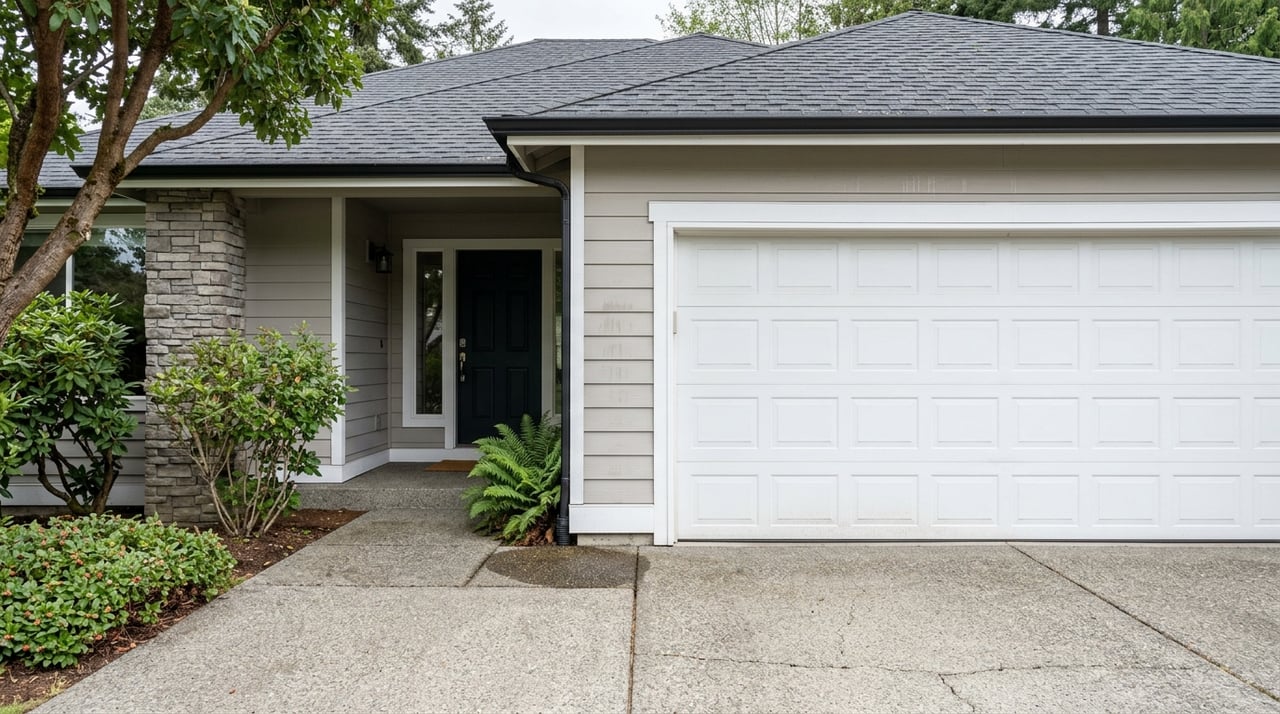
Ranch homes fit naturally into Medford’s postwar growth pattern. The style became especially popular during the post World War II building boom, which lines up with the city’s outward neighborhood expansion during that period.
In many cases, a ranch home gives you a straightforward layout and a one-level design. That can make daily living feel simpler, especially if you want fewer stairs and easier movement from room to room.
What ranch homes may mean for buyers
If you are buying, a ranch often means practical living over architectural drama. You may get a home that feels efficient and accessible, with a floor plan that supports a wide range of life stages.
The trade-off is that some original ranch layouts can feel a little more compact or less separated than newer homes. If you want large entry spaces, tall ceilings, or more distinct room divisions, it is worth comparing the layout carefully with your day-to-day needs.
What ranch homes may mean for sellers
If you are selling a ranch home, the strongest story is usually usability. One-level living, simple circulation, and a functional floor plan can appeal to a broad range of buyers.
In Medford, ranch homes can also stand out for their relatively simple rooflines and manageable day-to-day living pattern. That does not remove maintenance needs, but it can help buyers see the home as practical and easy to live in.
Bungalows and historic-era homes
Where older home styles show up
Older homes are an important part of Medford’s character. The city identifies Bungalow/Craftsman as one of its significant residential styles, and historic homes are often found in areas such as the Old East Side and Siskiyou Heights.
The city’s historic resources also specifically note streets including Queen Anne Avenue, Oregon Terrace, East Main Street, Berkeley Way, and Reddy Avenue. These areas help show how Medford’s earlier growth still shapes today’s housing choices.
What bungalow style often offers
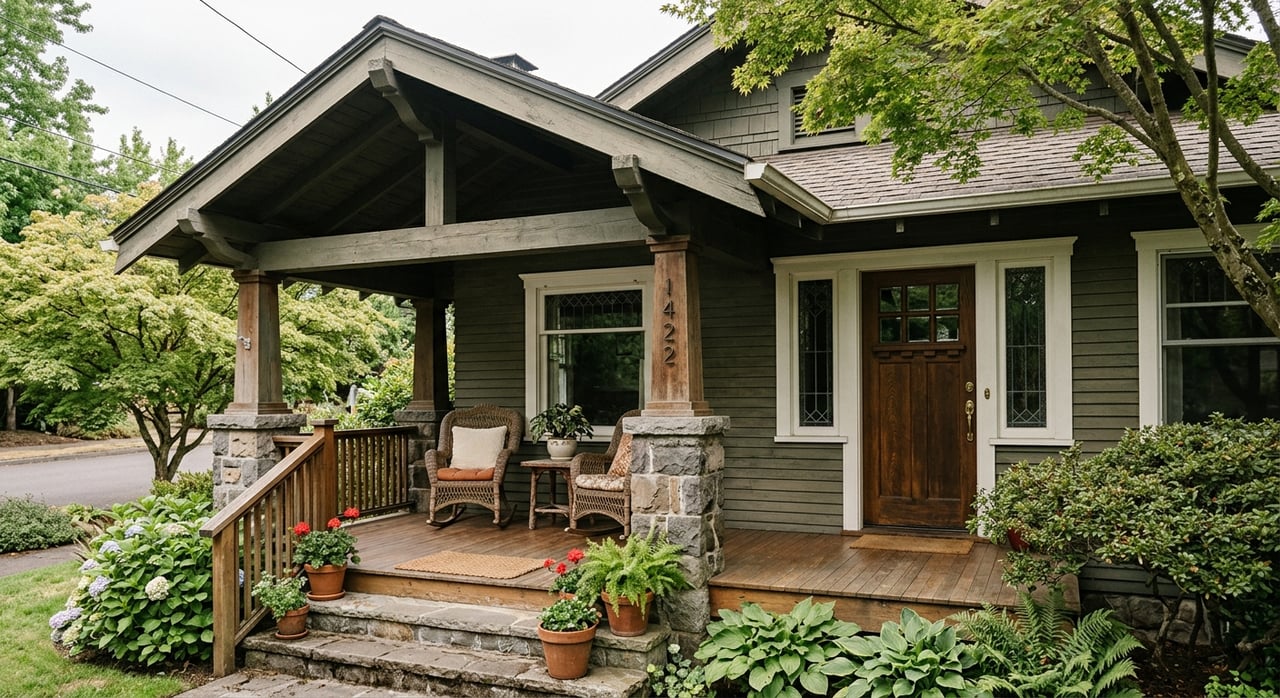
Oregon bungalow homes were most common from about 1905 to 1925. They are usually low-profile homes with low-pitched roofs, overhanging eaves, and large porches.
For buyers, that often translates into visible character and a stronger sense of architectural identity. If you love porch living, older details, and a home that feels distinct from newer construction, a bungalow may be a strong fit.
What to consider with older homes
Older homes often come with more ongoing care. You may need to update systems over time, preserve exterior details, or work with a smaller or more segmented footprint than you would find in many newer floor plans.
That does not mean an older home is harder to own. It means the lifestyle fit is different. Buyers who value charm often see that trade as worthwhile, while sellers should be ready to present the home’s character alongside its practical updates.
Historic overlay areas and exterior changes
If a home is located within Medford’s Historic Preservation Overlay, exterior changes may be subject to review. The city identifies overlay areas including the Downtown Historic District, South Oakdale, Geneva-Minnesota, and Corning Court Ensemble.
That is important for both buyers and sellers. If you are buying, you will want to understand what that could mean for future exterior projects. If you are selling, it helps to be clear about the home’s historic context and any relevant review considerations.
Newer subdivisions in Medford
Why buyers look for newer homes
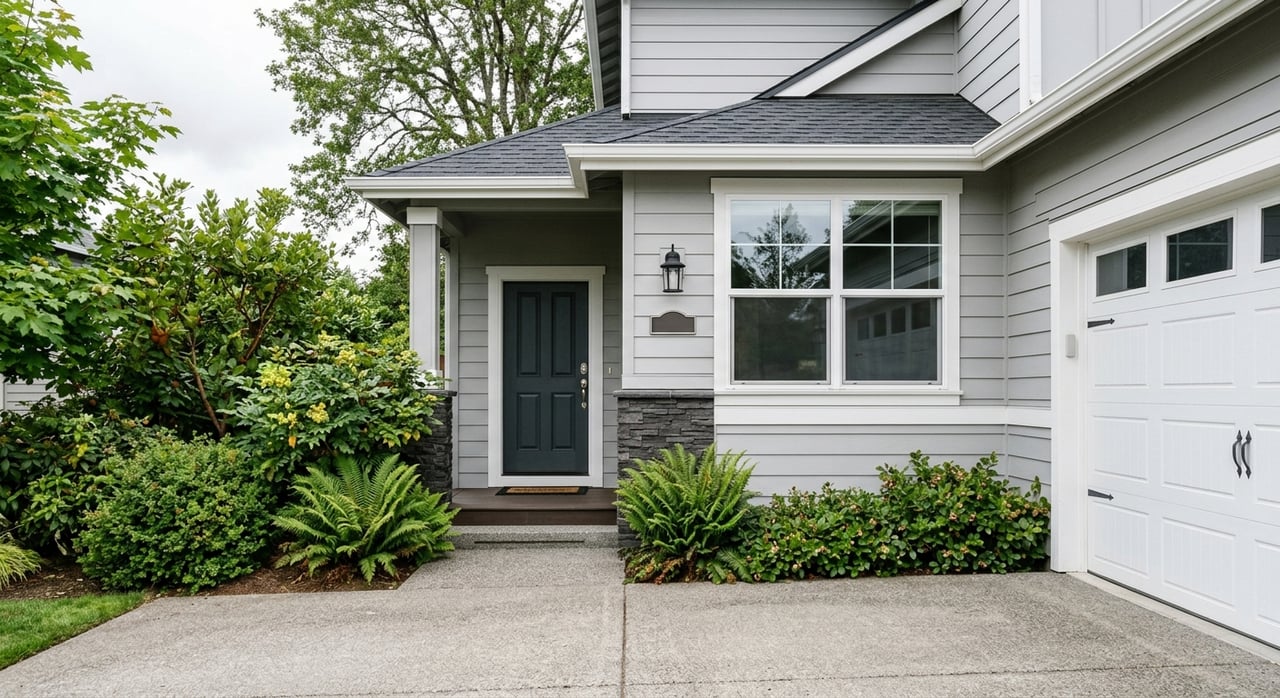
Newer subdivisions often appeal to buyers who want more recent construction and a more standardized neighborhood layout. In Medford, newer development also connects to broader efforts to diversify the city’s housing stock over time.
For many buyers, the draw is less about historic character and more about modern function. A newer home may offer a layout that feels familiar, with spaces that match current preferences for everyday living.
What newer subdivisions may mean for you
If you are relocating to Medford or buying early in your homeownership journey, newer subdivisions may feel easier to compare from one home to the next. The neighborhood layout can feel more uniform, which some buyers find reassuring when narrowing down options.
For sellers, the value story often centers on more recent construction, a conventional modern layout, and a home that may feel more move-in ready to buyers who want fewer immediate projects.
Townhomes and lower-maintenance living
How Medford defines townhomes
The City of Medford includes townhouses within its middle-housing category. The city describes middle housing as housing types that fit within existing neighborhoods at a smaller scale than apartment buildings.
That makes townhomes an important part of the local housing conversation. The city has also developed pre-approved middle-housing plans, which shows townhomes are part of Medford’s effort to add different ownership options.
What townhome living may mean
A townhome often offers a more compact ownership experience. In practical terms, that can mean trading some yard space and some exterior upkeep demands for a home that feels easier to manage.
For buyers, that may be appealing if you want ownership without taking on the footprint of a detached single-family house. For sellers, the strongest message is often convenience, efficient use of space, and a lower-maintenance lifestyle.
How climate and wildfire readiness affect home choice
In Medford, home style is not only about curb appeal. The local climate and wildfire pattern can affect how easy a home is to maintain and harden over time.
The city notes that wildfire risk rises in late summer and early autumn, with added relevance near the city limits and in areas such as the Bear Creek Greenway and East Medford foothills. The city has also adopted wildfire-hazard mitigation standards for new homes in designated zones.
Oregon State Fire Marshal guidance emphasizes steps like roof and gutter cleanup, ember-resistant venting, and defensible space. That means when you compare home styles, it helps to think beyond layout and design. You should also consider exterior maintenance, vegetation management, and how the property may support wildfire readiness.
What buyers should focus on first
For buyers, the best home style is the one that fits your daily life. A ranch may work well if you want one-level living. A bungalow may fit if you care most about character and older neighborhood texture. A newer subdivision may make sense if you want more recent construction. A townhome may be a better fit if you prefer a smaller footprint and less exterior maintenance.
Try to look at style as a practical filter. Ask yourself how you want to move through the home, how much upkeep you want to manage, and whether the home’s age and layout match your comfort level. In Medford, that approach usually leads to better decisions than focusing on appearance alone.
What sellers should highlight
For sellers, style works best when you market the home’s real strengths. A ranch should be positioned around ease and functionality. A bungalow should lean into character, porch presence, and historic appeal. A newer home should emphasize layout and newer construction. A townhome should focus on convenience and manageable ownership.
The key is matching the story to the property. Buyers respond best when the home is presented honestly and clearly, with attention to usability, maintenance level, and location context.
If you are trying to decide how your Medford home fits today’s market, local context matters. Working with a team that understands neighborhood patterns, buyer expectations, and how different home styles perform can help you price, position, and negotiate with more confidence. When you are ready to talk through your next move, connect with Matt Misener.
FAQs
What are the most common home styles in Medford, Oregon?
- Medford features a mix of ranch homes, Bungalow/Craftsman homes, other historic-era styles, newer subdivision homes, and townhomes, with single-family detached homes still making up much of the housing stock.
What does a ranch home usually mean for Medford buyers?
- In Medford, a ranch home often means one-level living, easier day-to-day movement, and a practical layout, though some original floor plans may feel more compact than newer homes.
What should buyers know about historic homes in Medford?
- Buyers should know that older Medford homes often offer more character and porch presence, but they may also require more ongoing updates and, in some historic overlay areas, exterior changes may be subject to review.
What makes townhomes appealing in Medford?
- Townhomes often appeal to buyers who want a smaller footprint, less yard space to manage, and a more compact ownership experience than a detached house.
Why does wildfire readiness matter when choosing a Medford home?
- Wildfire readiness matters in Medford because local risk rises in late summer and early autumn, and a home’s style, exterior features, and site upkeep can affect how easy it is to maintain and harden over time.
How should Medford sellers market different home styles?
- Sellers should focus on the home’s true strengths, such as one-level usability in a ranch, character in a bungalow, modern layout in a newer home, or convenience in a townhome.